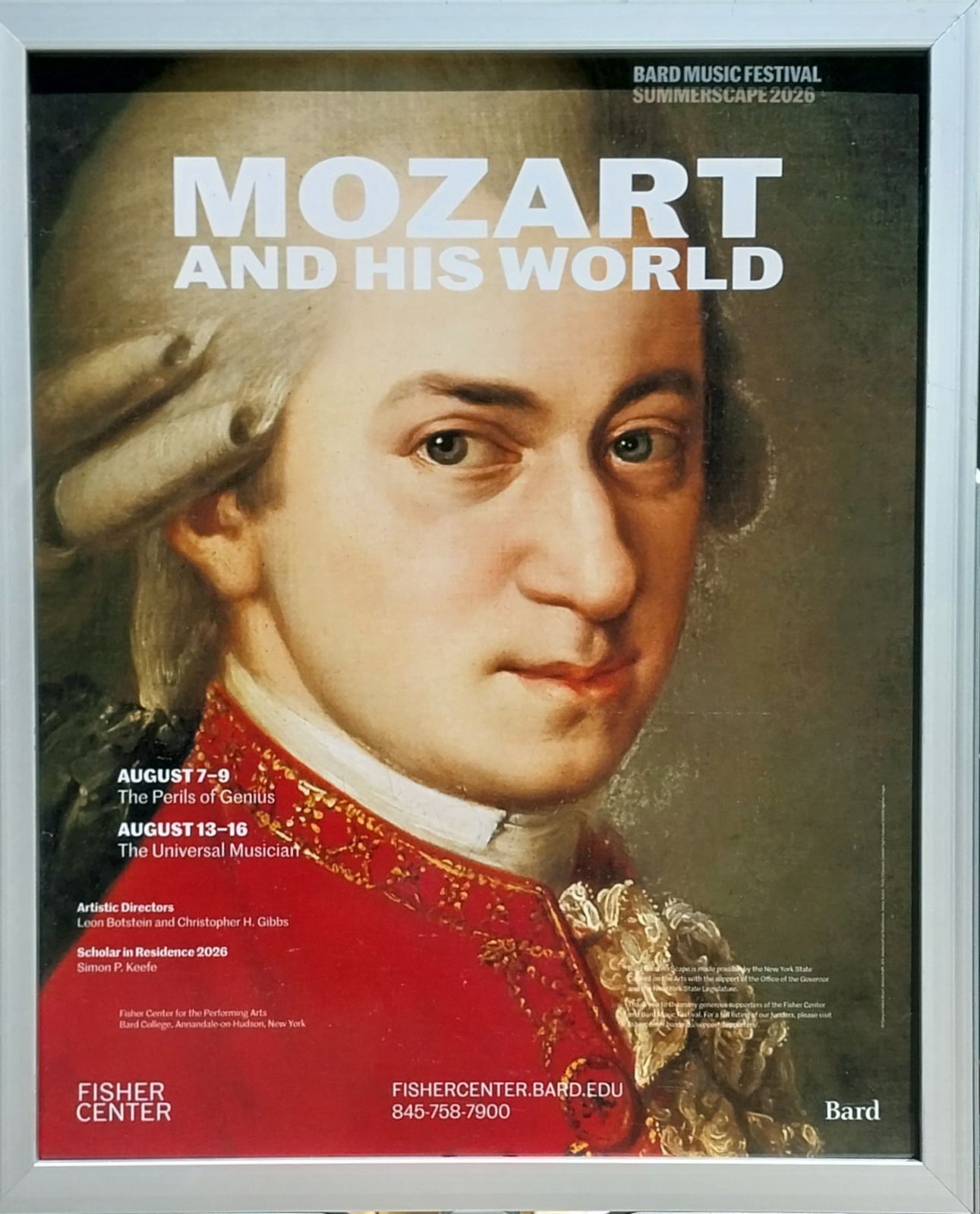
Time to roll up my sleeves and continue (from yesterday’s post), in the hope of documenting the rest of my impressions of the first weekend of this year’s Bard Music Festival, “Mozart and His World.”
Saturday mornings at the festival are devoted to scholarly panels. The first of these (“Gottlieb or Amadé? Who Was Mozart?”) included presentations by Columbia University’s Elaine Sisman and Princeton emeritus professor Scott Burnham (now teaching at CUNY Graduate Center). Gottlieb and Amadé are variants on Mozart’s middle name – he seldom actually used Amadeus (the Latin form of “beloved of God”), except in a few humorous circumstances – and the question served as a springboard for explorations of his identity and character.
A portion of Sisman’s talk was devoted to the balance of art and accessibility in Mozart’s music. She spoke of Mozart’s disdain for “asses” (ignoramuses) and how the composer frequently attempted to appease his father, Leopold, by including in his letters references to passages in his music that should appeal even to “asses’ ears” – a reference not only to Ovid’s King Midas, with his donkey ears, but also to more accessible music, the idea of which would naturally mollify Leopold for its potential profitability.
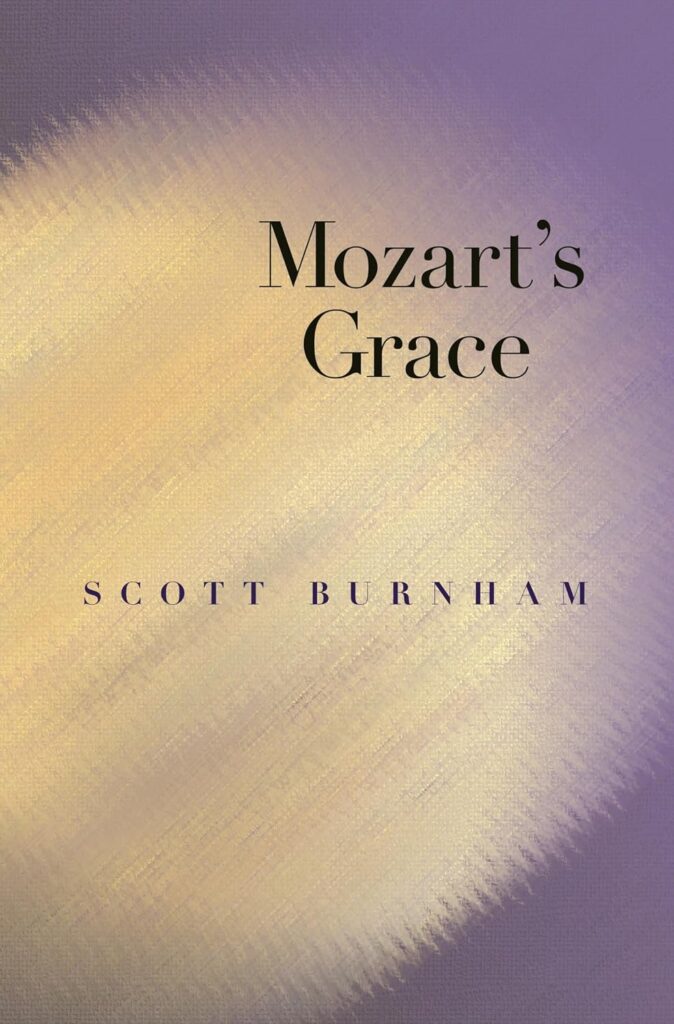
Burnham offered some interesting examples of Mozart as he’s appeared in literature, including Eduard Mörike’ 1855 novella “Mozart’s Journey to Prague.” During the Q&A portion, Burnham engaged in a little experiment. You’ll recall, in the film “Amadeus,” when the priest visits an elderly Salieri, hoping to hear his confession, Salieri plays the first half of the opening phrase of Mozart’s “Eine kleine Nachtmusik.” The priest is able to complete it from memory, much to Salieri’s annoyance. So it was that, when Burnham sang the rising figure as a kind of call, inviting response from those in the audience, to a person, everyone was able to round off the theme. In an age when classical music has become so marginalized, it is remarkable that anything remains. But Mozart’s most famous serenade is still bouncing around our collective cultural memory.
Also on the panel was conductor Leon Botstein, seemingly always prepared to speak profusely and with inspiration, armed on Saturday with only a few jottings and a small cup of coffee. Aside from expanding and expounding upon the morning’s topic, he offered a melancholy observation that historical scholarship of the kind practiced by those on the morning’s panel is dying. Festival co-artistic director (with Botstein) Christopher H. Gibbs served as moderator.
Saturday afternoon’s chamber music concert was titled “Fathers and Sons.” Byron Adams delivered his pre-concert talk with an impeccable balance of concision, relevance, insight, and dry wit. An emeritus professor of University of California, Riverside, Adams possesses flair and a certain je ne sais quoi that never disappoints. The program itself was constructed of works by Bach sons (and Mozart influences), Carl Philipp Emanuel and Johann Christian, and Mozart’s father, Leopold; also a piece for harpsichord by Padre Giovanni Battista Martini (one of Mozart’s teachers, alongside Leopold and J.C. Bach).
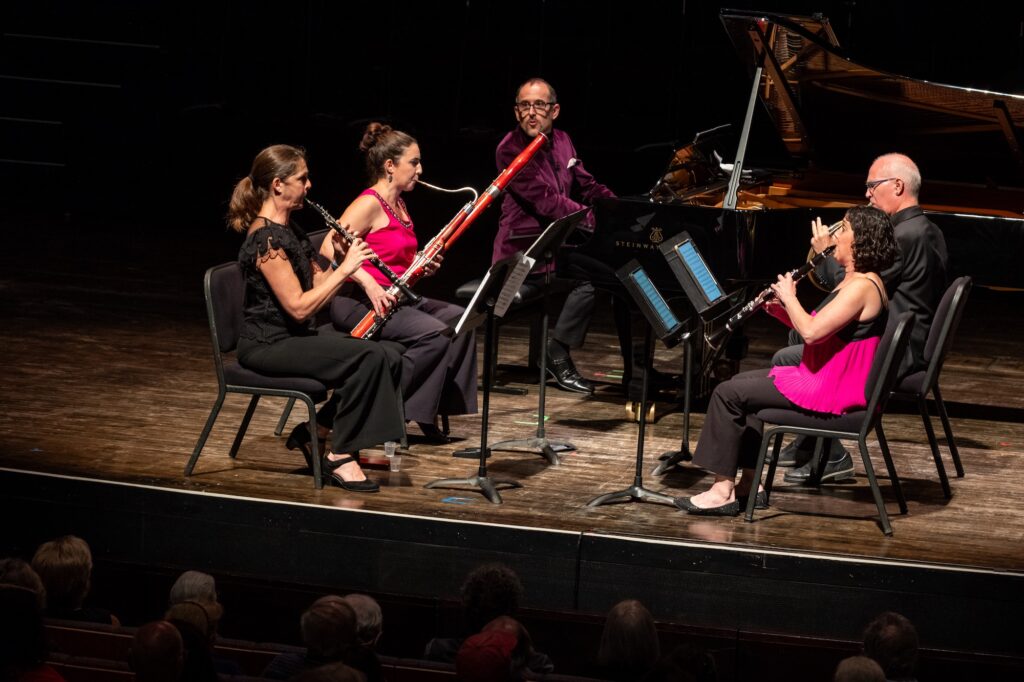
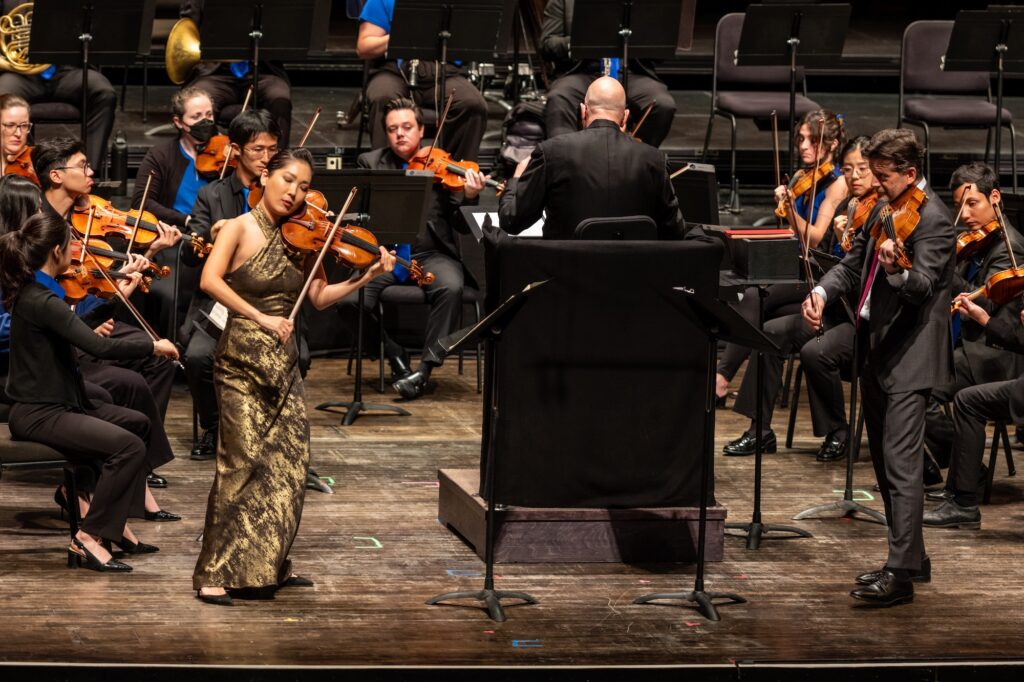
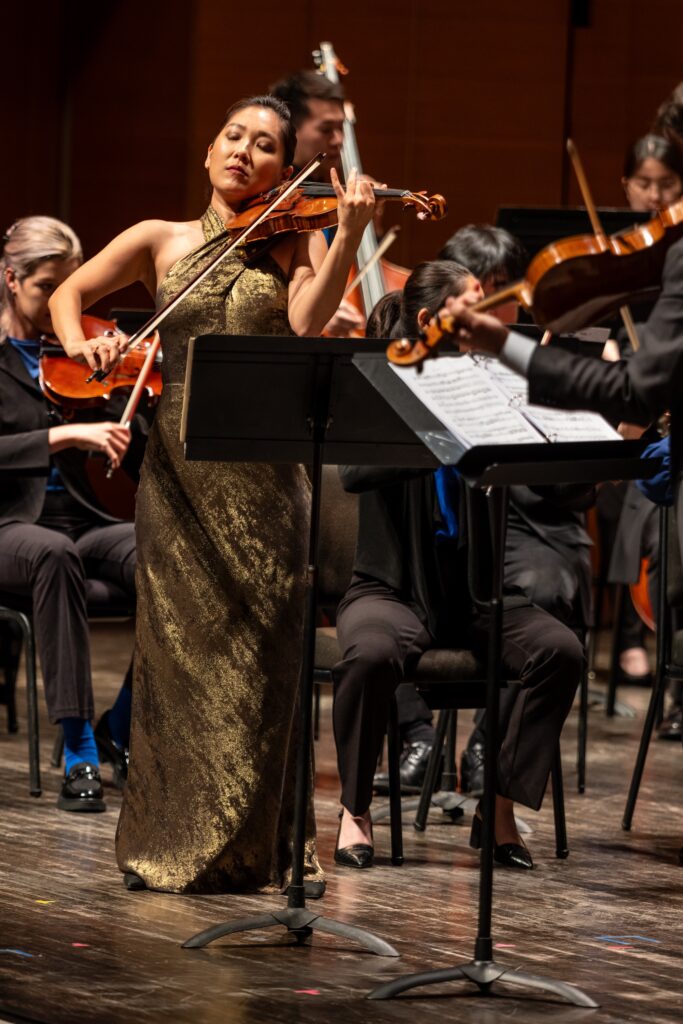
Highlights were Mozart’s String Quartet in F Major, K. 168 (with violinists Luosha Fang and Jenny Huenigen, violist William Frampton, and cellist Raman Ramakrishnan), his Sonata in C Major for Piano and Violin, K. 296 (with violinist Grace Park, whom I exalted yesterday, and pianist Michael Stephen Brown), and J.C. Bach’s chipper Sextet in C Major (with oboist Alexandra Knoll, violinist Fang, cellist Ramakrishnan, hornists Karl Kramer-Johansen and Brittaney Pertsas, and pianist Anna Polonsky). Keep in mind, here and elsewhere, that while, for reasons of space, I can’t gush over everyone, the musicians are all astonishingly gifted.
On Saturday night, the theme was “Mozart and Prague” (with Sisman providing the pre-concert talk). It would have to include the “Prague” Symphony, right? Well, by the time we got there, as with the Friday night concert I described in my last post, it was almost too much of a good thing – despite it being one of the composer’s great symphonies, appealing to connoisseurs and long-ears alike. I just had to reset my brain during the first movement so that I could muster the stamina to experience it in the moment, as opposed to being wrapped up in the distraction of my fatigue.
For one thing, the concert included not one, but two piano concertos. I mean, I can see why. They were by no means repetitive. The Concerto No. 5 was written when Mozart was 17, his first original composition in the form (as opposed to elaborating on existing models). The work is full of energy and exuberance. In a sense, the soloist, George Xiaoyuan Fu, was well-chosen, even though – or perhaps because – he is a bit of a showboat and a hotdog. But you know I can’t really complain about that. I admit I chuckled when he got to the end of a run, following his fingers up the keyboard with his eyes, so that he basically wound up shamelessly mugging straight into the audience. Always be wary of young pianists in off-white double-breasted suits! That said, I hope he comes back.

By contrast, the Piano Concerto No. 18, had the starrier soloist in Simone Dinnerstein, but generally speaking it was a more Apollonian affair, Dinnerstein playing with beauty, elegance, and serenity, and not one trace of hotdog.
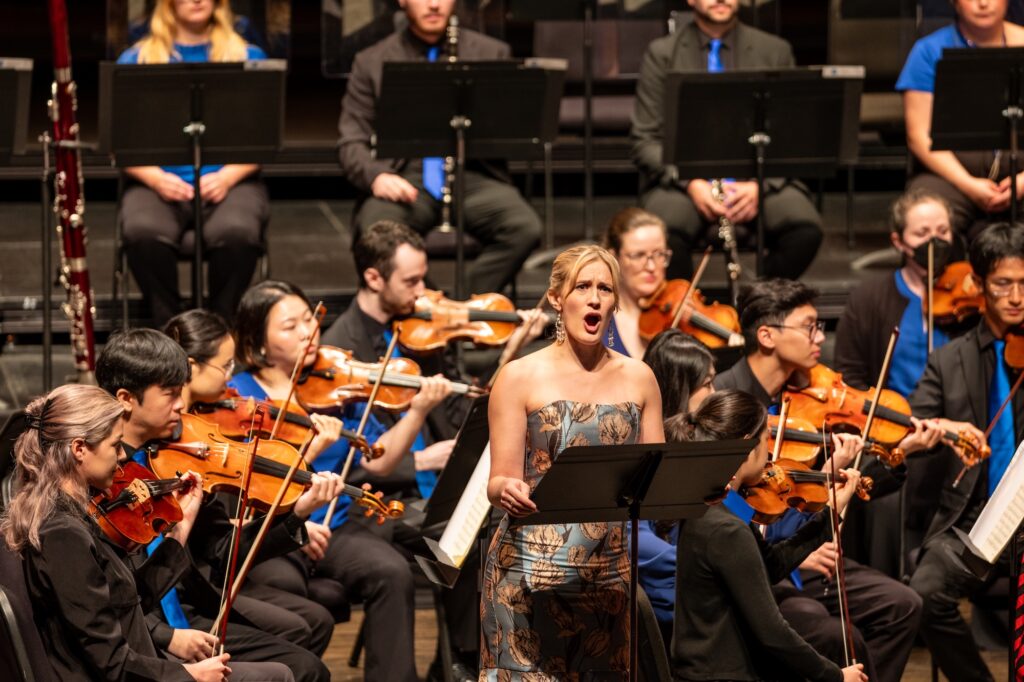
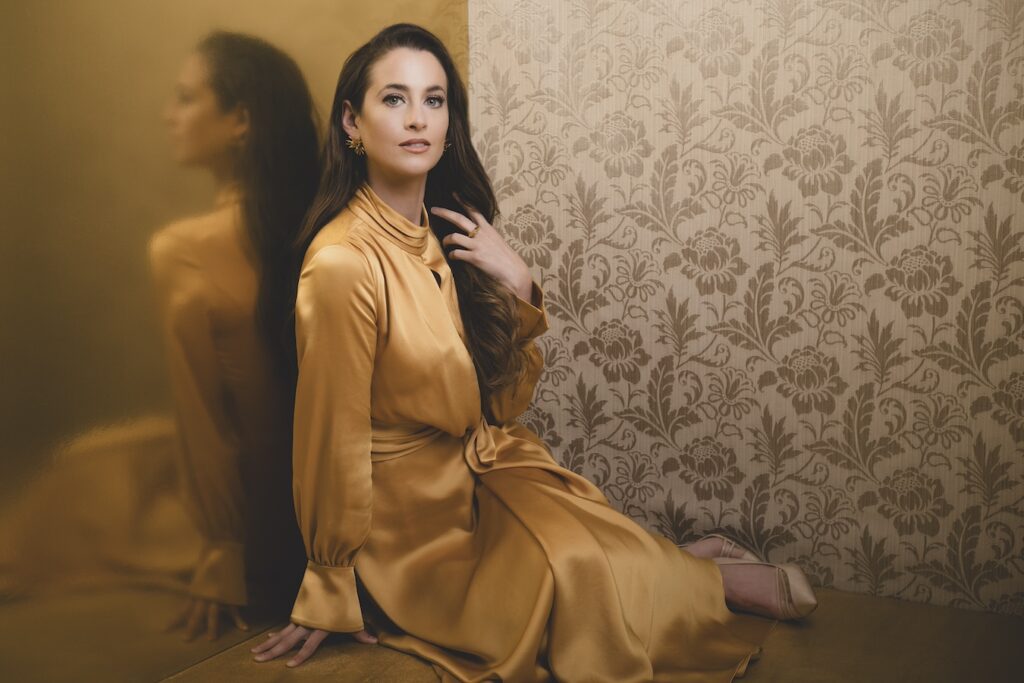
The true star of the show (and perhaps the entire weekend) was soprano Jana McIntyre, whom I first encountered at the Berlioz festival a couple of years ago, and who sang the sorceress Aithra in Richard Strauss’ “The Egyptian Helen” at Bard only last month. What a gift she has! Poise, presence, beauty, youth, and an unflaggingly nimble coloratura voice. On Saturday, her “Exsultate, jubilate” stopped the show.
In the second half, she returned to sing arias by a couple of composers who influenced Mozart, Christoph Willibald Gluck and Josef Mysliveček. In Gluck’s “Unser dummer Pöbel meint” from “Die Pilger von Mekka” (“The Pilgrims to Mecca”), she performed a most unusual duet with French hornist Kramer-Johansen. I know I’ve never heard the opera, but I’ll be damned if I didn’t know the melody. It was a making me crazy trying to figure out how. That night, back in my room, I could hear it in my head for orchestra. Was it arranged by Beecham? It was only when I woke up in the morning that I had the solution: Tchaikovsky used it in the final movement of his Orchestral Suite No. 4 “Mozartiana.” It turns out Mozart wrote a set of variations on the aria. Very cool to include it, Bard!
Yesterday’s post put me in mind of the mutability of fate and its role in producing singers of world renown. There are so many great singers out there, even so many of them at Bard, yet comparatively few will ever make it to the top, whatever that is. I seldom encounter anyone at Bard who is anything less than very fine. “The Egyptian Helen” was, top to bottom, amazingly cast.
McIntyre is luckier than most. She’s had bookings with orchestras and opera houses all over the place, some of them bigger than others. The higher-profile ones include the Philadelphia Orchestra, the Los Angeles Philharmonic, and San Francisco Opera.
I am happy note that she has begun covering title roles (for other singers) at the Met. She deserves more than simply being cast as a Flower Maiden in “Parsifal.” I hope she gets the break that she deserves. But even more so, I hope she’s having a blast along the way, as she appears to be doing.
And what do you know, it turned out to be another three-hour concert. So I was understandably grateful for an 11 a.m. start time for the Sunday morning program. I find my weekends at Bard are marked by increased caffeine intake as restful nights diminish. It also doesn’t help that during the day, meals are often rushed and sometimes even grab-and-go.
Sunday morning’s offering, “Theatrical Life in Vienna: Hanswurst, Leporello, and Papageno,” was wonderfully conceived and felicitously executed, with Lisa de Alwis of the University of Colorado elucidating the bawdy, subversive theatrical world of the common folk that thrived beyond the courts of the aristocracy. Hanswurst, or Jack Sausage, was a figure of coarse humor, a trickster, a bawd, and one who was monitored very closely by the censors (who were often subverted). Kakadu, in a similar vein, I gather, was even worse. The theater of the time was a place for socializing, gambling, and gossip, with musical entertainment full of outlandish, often magical, situations and catchy tunes.
The program included, among other things, selections from “The Philosopher’s Stone,” a collaborative effort by the same team that would create “The Magic Flute.” It’s a very entertaining work. If you enjoy Mozart’s enchanting singspiel, I highly recommend Martin Pearlman’s recording of the “The Philosopher’s Stone” with the Boston Baroque on the Telarc label.
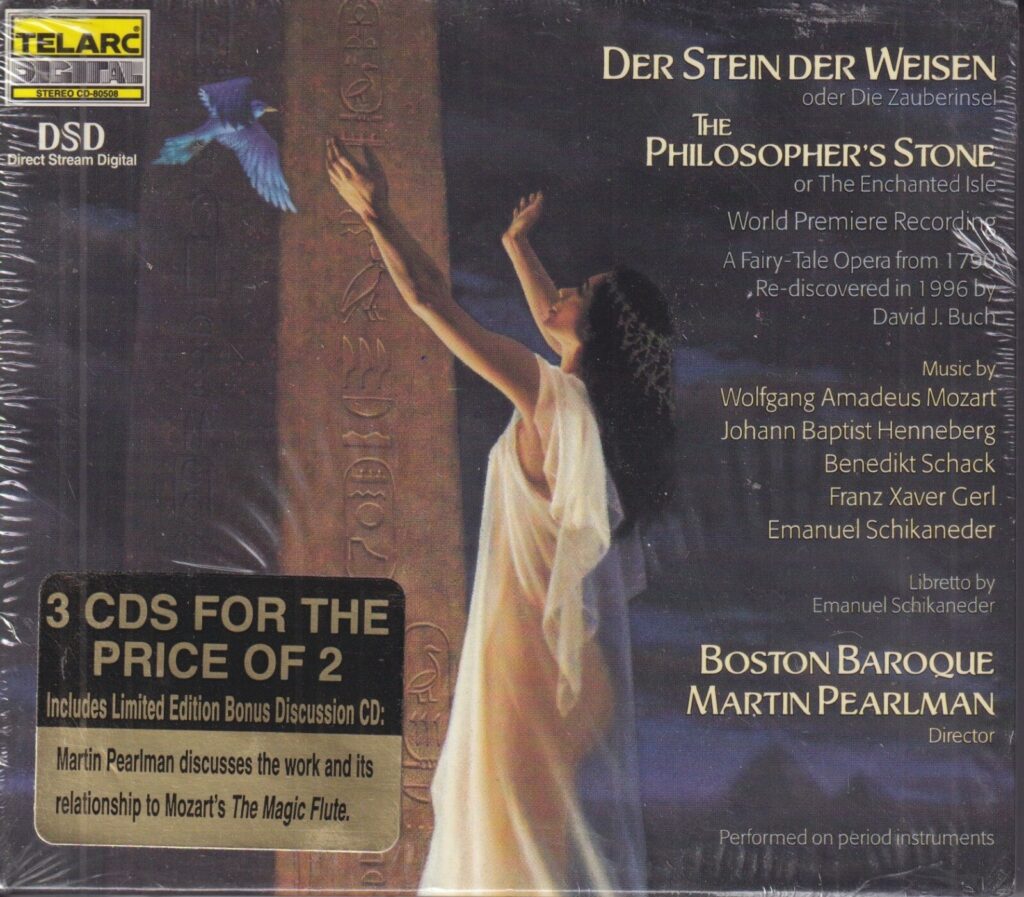
What Sunday morning’s program illustrated most effectively is that Mozart’s latter-day masterpiece did not exist in a vacuum. I even learned of a sequel to “The Magic Flute,” called “The Labyrinth,” by Peter von Winter (several arias and duets were performed). For this concert, some of the selections were taken from manuscript. Humorous generalizations about men and women and the relative fidelity (or otherwise) of both abounded.
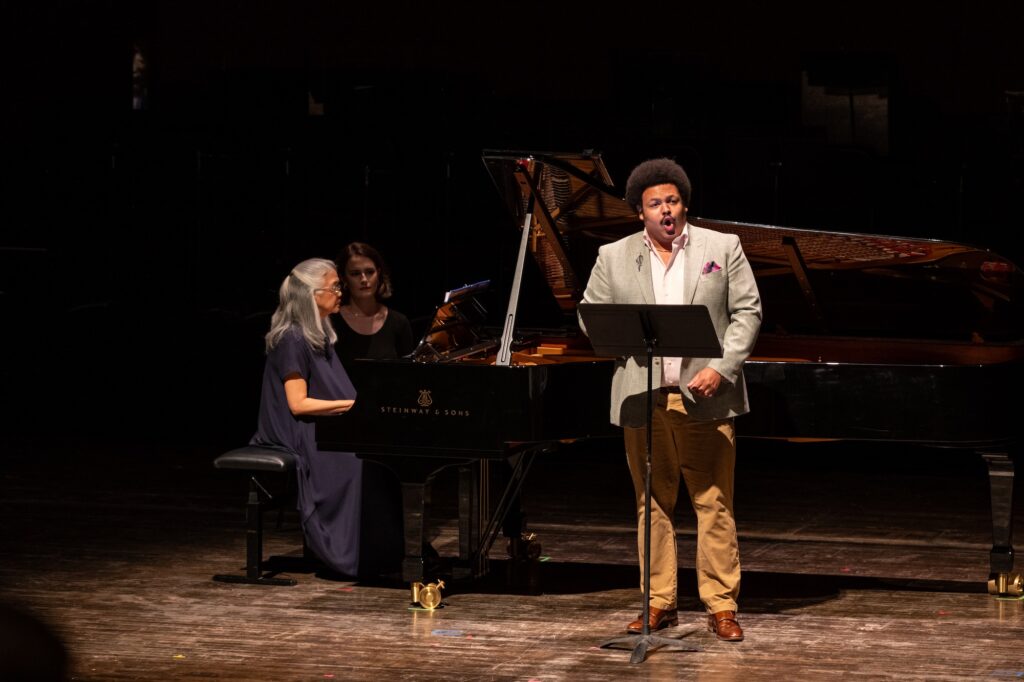
All of it was engagingly sung. Soprano Rachel Doehring Jackson was adorable and great fun in her cat duets, attributed to Mozart, from “The Philosopher’s Stone.” There was a very funny trio from Wenzel Müller’s “Das Sonnenfest der Braminen” (“The Sun Festival of the Brahmins”), with soprano Catherine Creed, tenor Aaron Blake, and bass-baritone Devon Russo, in which the two men characterize their sex as inconstant as the wind, only to change their tune when called on the carpet by the heroine.
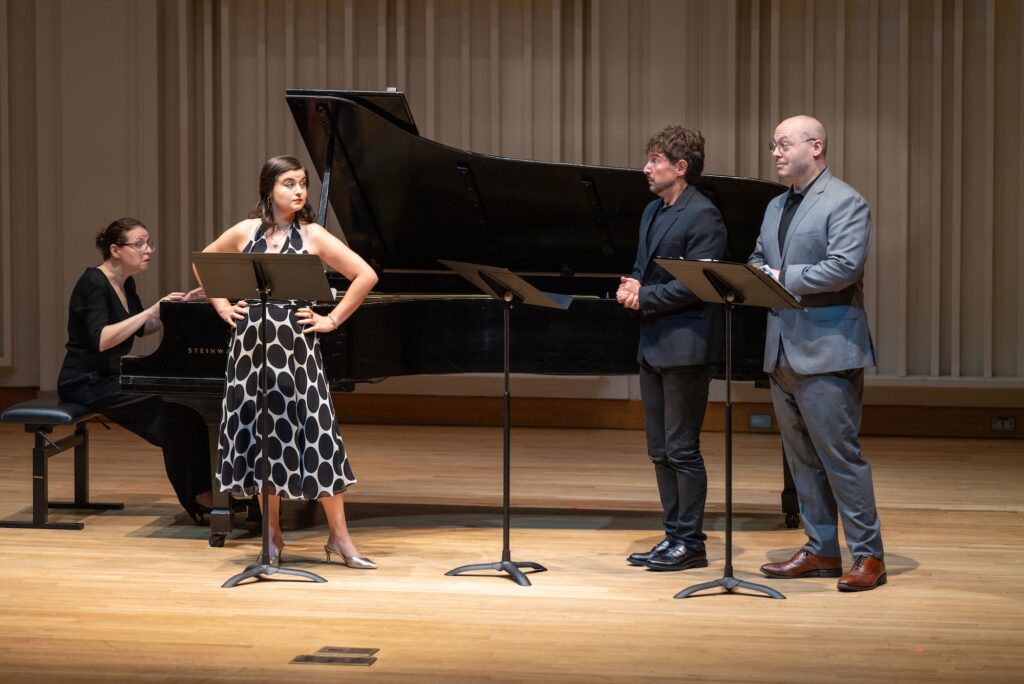
In sharing my impressions of this summer’s production of Richard Strauss’ “The Egyptian Helen” at Bard, I mentioned that Creed’s voice didn’t carry as well as the others over Strauss’ orchestra. Here, she experienced no such challenges. She really got to show her stuff in a “Queen of the Night” type aria from the opera “Oberon, King of the Elves,” by Paul Wranitzky. (Creed will sing the role of Blondchen in a semi-staged performance of Mozart’s “The Abduction from the Seraglio,” to conclude the festival this Sunday.)
Wranitzky is a name you will sometimes encounter in music histories. In doing radio shows over some 40 years, I often marked composer birthdays. So I’d glance through the record library and see what I could come up with and put on a Wranitzky trio, which was pleasant enough, though I confess it didn’t do all that much for me. Here, it was a totally different story, with introductions of emotional depth that anticipated the Romantic movement. The selections were performed on piano, by Victoria Schwartzman, as opposed to orchestra, so it put me in the mind of the more introspective movements of the Beethoven sonatas.
Clearly, I could write a whole separate post on this concert. It was one of the most consistently successful and entertaining of the festival. What’s more, it was digestible. Anyone who was there, feel free to correct me, but I believe it ran less than two hours, without an intermission.
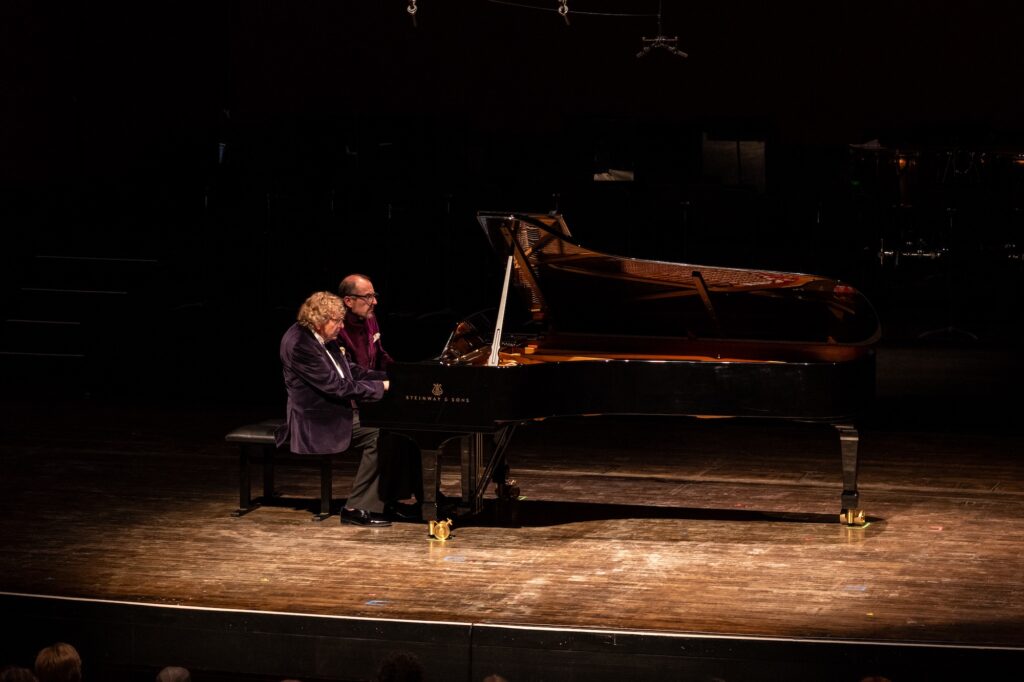
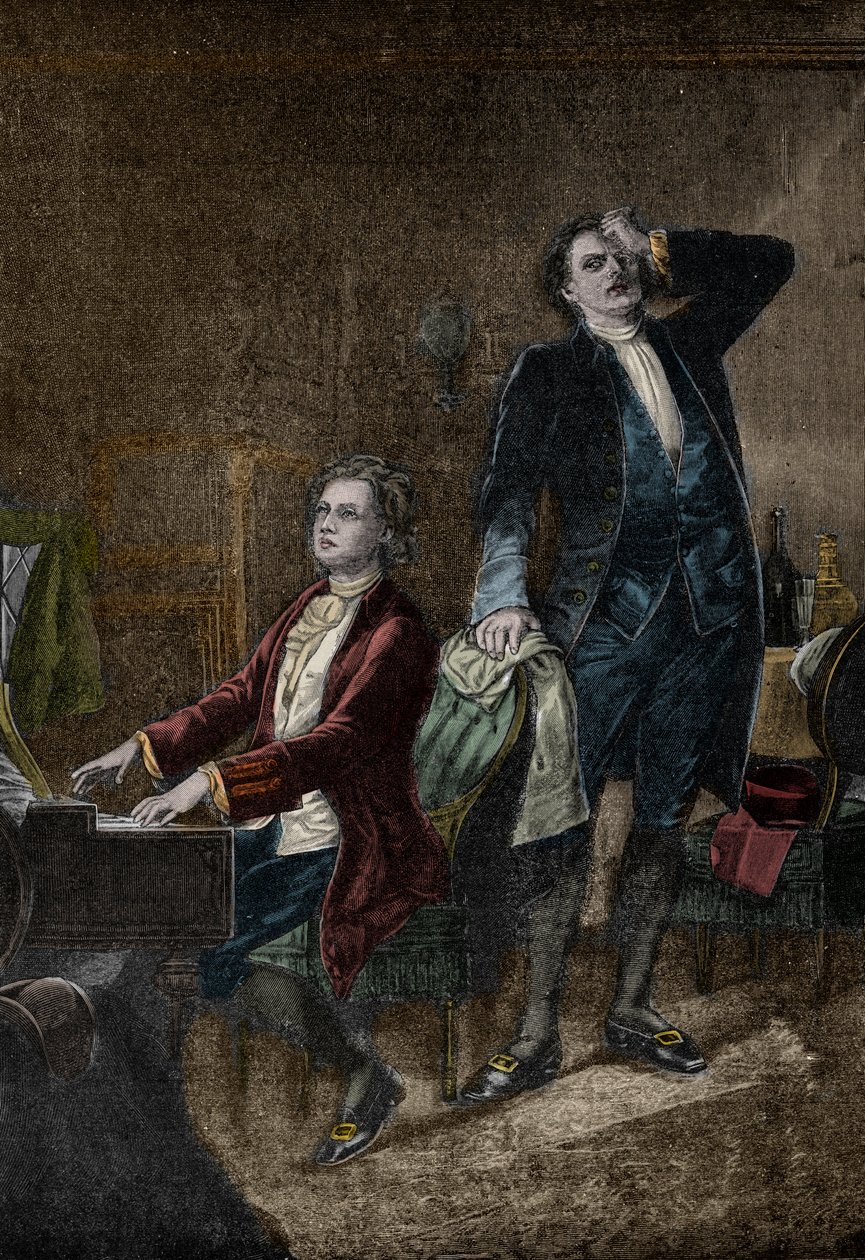
I expected equally great things of the weekend’s concluding program, “Rivalries and Conspiracies,” a late-afternoon affair, which recalled a piano duel which took place between Mozart and Muzio Clementi, before Joseph II and Maria Feodorova, Grand Duchess of Russia. The wager was settled privately, with Joseph collecting for his support of Mozart, but publicly the outcome was more diplomatically announced as a draw.
The concert was also to feature a collaborative effort between Mozart and his alleged (overstated) arch-rival Antonio Salieri, for soprano and harpsichord, rediscovered only in 2015, and the juxtaposition of selections from two operas requested by Joseph II that were originally presented back-to-back as yet another contest. (This time, Salieri was declared the winner.)
On paper, it all looked great. And in execution, its promise was mostly fulfilled on the concert’s first half. Dorian Bandy, a conductor, Baroque violinist, and historical keyboardist (who also gave the preconcert talk), blew the dust off Mozart’s overture to “The Impresario,” with fleet tempi and punchy articulation. Bandy then took to the harpsichord for Mozart & Salieri’s “Per la ricuperate salute di Ofelia” (“For the recovered health of Ophelia”). He was joined by soprano Katrina Galka, who sang from a seated position, in near profile to the audience, seemingly absorbed in the dreaminess of the pastoral text. In general, the lighting enhanced a sense of intimacy inherent in the smaller numbers on the program.
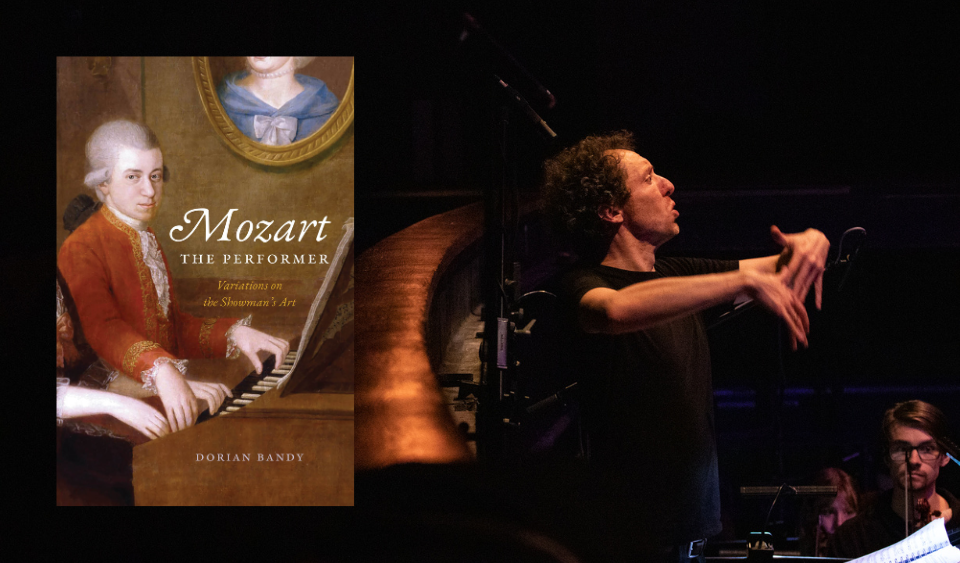
As I have noted, the Bard festival draws from an enviable stable of performers. Pianists Danny Driver and Piers Lane are regulars, uniformly excellent, quick studies who know how to get to the heart of the music, and perform everything most expressively. Driver’s performance of Clementi’s Piano Sonata in B-flat Major, Op. 24, No 2, left nothing to be desired. In fact, he made the work sound like a minor masterpiece. (Mozart was clearly influenced by it in writing his overture to “The Magic Flute.”)
Lane played Mozart’s “Eight Variations on Grétry’s “Dieu d’amour” – not as ambitious in scope, perhaps, but certainly refined. It’s not the kind of piece that one would have chosen for a musical duel in Franz Liszt’s day, but a good set of variations is always interesting, from both compositional and interpretative perspectives. Still, the first half started with a bang and ended on a more introspective note (Mozart’s variations don’t really build to much; they just kind of end), and the audience broke for intermission on a fairly contented, if somewhat relaxed note.
I can’t quarrel with the idea underpinning the second half: a juxtaposition of selections from Joseph II’s Mozart-Salieri opera contest. I can even see how it might be fun to devise a new scenario that sort of conflates the backstage dramedies of the original creations. Unfortunately, the concept just didn’t come off.
Even with the talented singers assembled for occasion (sopranos Galka and Jennifer Zetlan, tenor Aaron Blake, baritone Theo Hoffman, and bass-baritone Devon Russo), it was a drag. Everything was fine, occasionally glorious, as long as everyone was singing. But the farcical situations and dialogue, which required everyone to speak in heavily accented English (as the characters are supposed to be Italian and German), creaked hard.
Let’s be honest, even in its original form, Mozart’s “The Impresario” is pretty tedious. Too much talk and not enough music. I know next to nothing about Salieri’s contribution, “Prima la musica e poi le parole” (“First the Music and Then the Words”), but I wish the organizers of this presentation had taken the title to heart.
I would have been pleased had they just performed the musical numbers, with perhaps Bandy (who again conducted) supplying any background or connective material he felt necessary. As it was, the Chico Marx “otsa no good” caricatures padded the second half to twice the length. I tried my best just to focus on the music while everyone was singing, but all too soon, we were back to the labored – and often inscrutably accented – farce, so that by the end I was glad when it was over.
A rare Bard misfire, then, but the performers (when they were singing) were all first-rate, and the first half of the concert was totally worth it. Still, I can’t help but lament a missed opportunity, to be able to listen to and meditate on this contest between the most eminent composers in the service of Joseph II without unnecessary distraction. The arias were supertitled; the dialogue was not.
The concert was the most lightly-attended of the weekend, as Sunday afternoon concerts often are. The audience perceptibly dwindled during the second half. Friday night was a sell-out, the Saturday afternoon chamber music concert was packed, and Saturday night, was also near-capacity. Leon Botstein quipped on Friday that he had avoided Mozart for the past 35 years, only to have the Mozart festival become the most financially successful in Bard history.
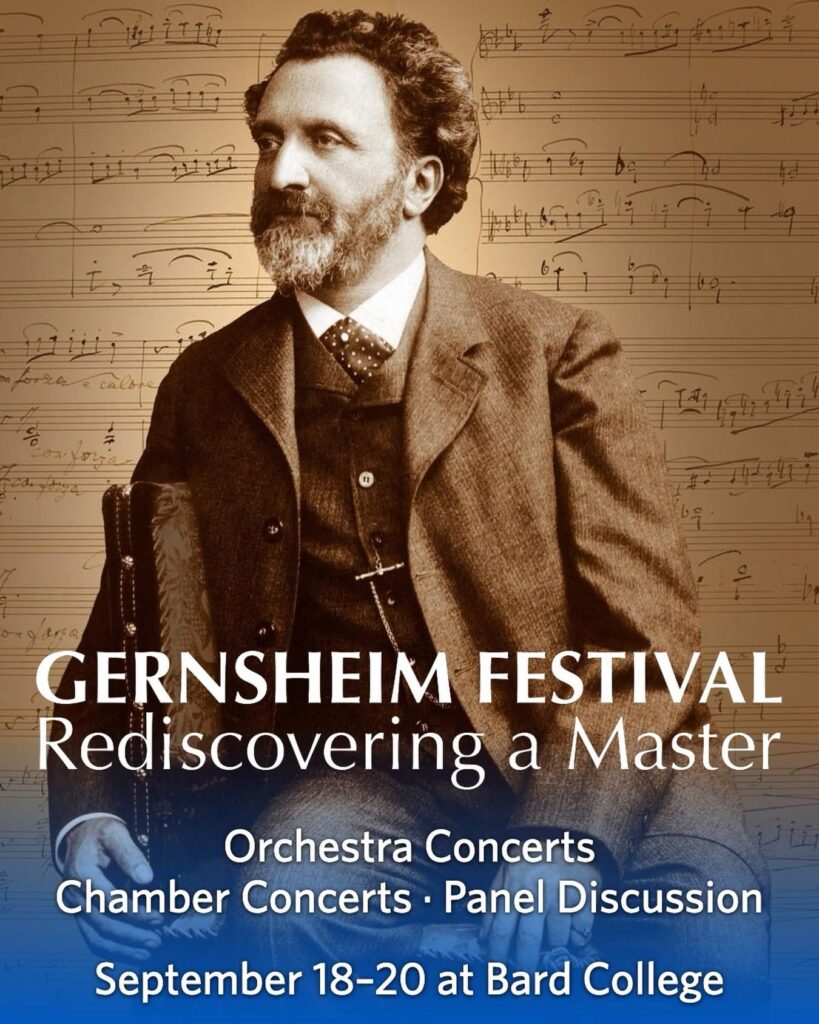
Perhaps as a kind of penance, next month, Bard will conduct a mini-festival devoted to virtually forgotten Brahms contemporary Friedrich Gernsheim, September 18-20. Now THIS is right up my alley! I’ll have to see about attending at least one of the days.
Next summer, the theme of the 37th Bard Music Festival will be “Gershwin and His World.” With a quintessential musical polymath at its center, straddling the artistic and popular realms during such a pivotal time in American musical history, the programming could go in so many different, fascinating directions.
The summer’s opera, which will precede the festival by a couple of weeks, will be Ernest Bloch’s “Macbeth.”
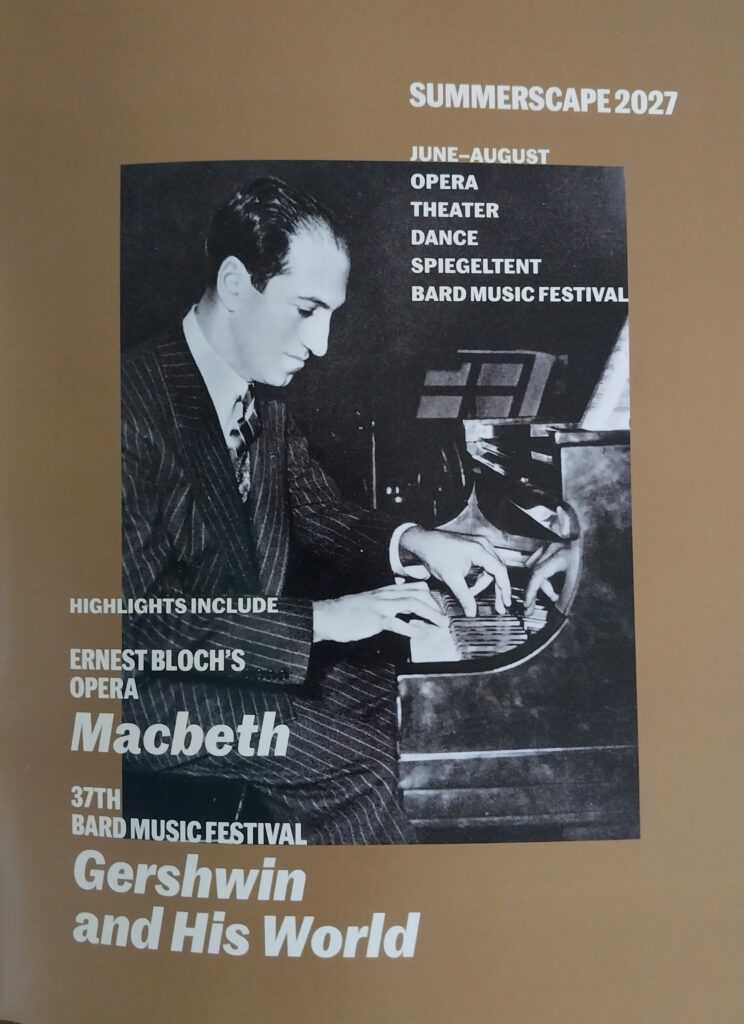
Fans of unusual and neglected repertoire will have their antennae up for a more expansive Bloch festival, “Bloch and His World,” at Bard in 2028.
In the meantime, do check out the schedule for this coming weekend. All kinds of interesting music yet to come. I would love, for instance, to be able to hear live the “Sinfonia turchesca,” presumably with janissary effects, by Franz Xaver Süssmayr, who famously completed Mozart’s Requiem. I only know it from a recording. But alas, it’s not likely I’ll be able to get back for it.
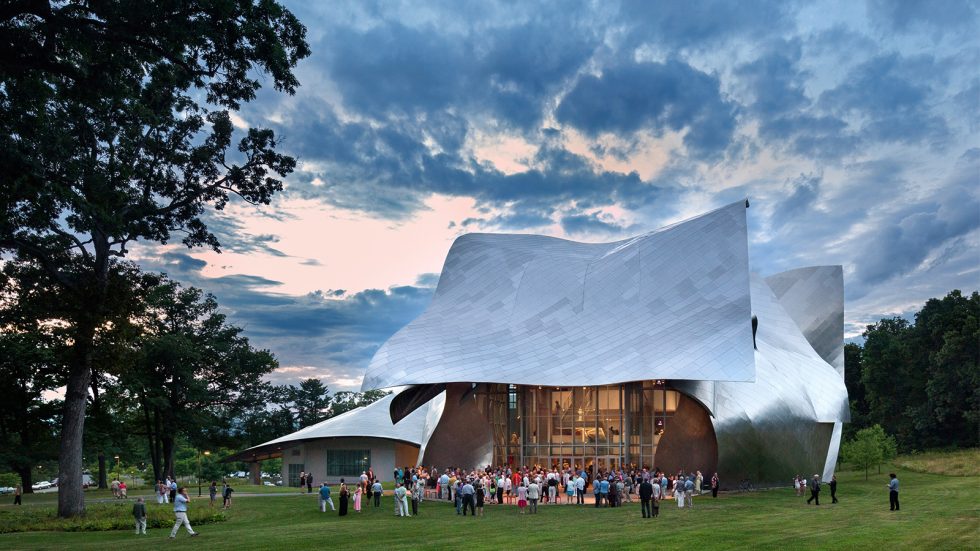
Happily, it will be available, with all the other repertoire performed at the Fisher Center at Bard (including a complete presentation of “The Abduction from the Seraglio”), as a livestream. See below. Livestream coverage will not include the chamber music concerts at Olin Hall.
Sincerest thanks to the musicians, scholars, and programming committee for yet another enlightening series. The Bard Music Festival is always a high point of my year. I may grouse about the length of some of the concerts, but DO NOT CHANGE A THING. Very much looking forward to Gernsheim, Gershwin, and Bloch!
Follow the link for a complete schedule (with livestream info) for the second weekend of “Mozart and His World,” at Bard College in Annandale-on-Hudson, NY, through Sunday.
https://fishercenter.bard.edu/what-we-do/bard-music-festival/
More about the September Gernsheim festival here:
https://www.bard.edu/news/bard-college-launches-gernsheim-rediscovery-initiative-festival-september-18-2026-08-10