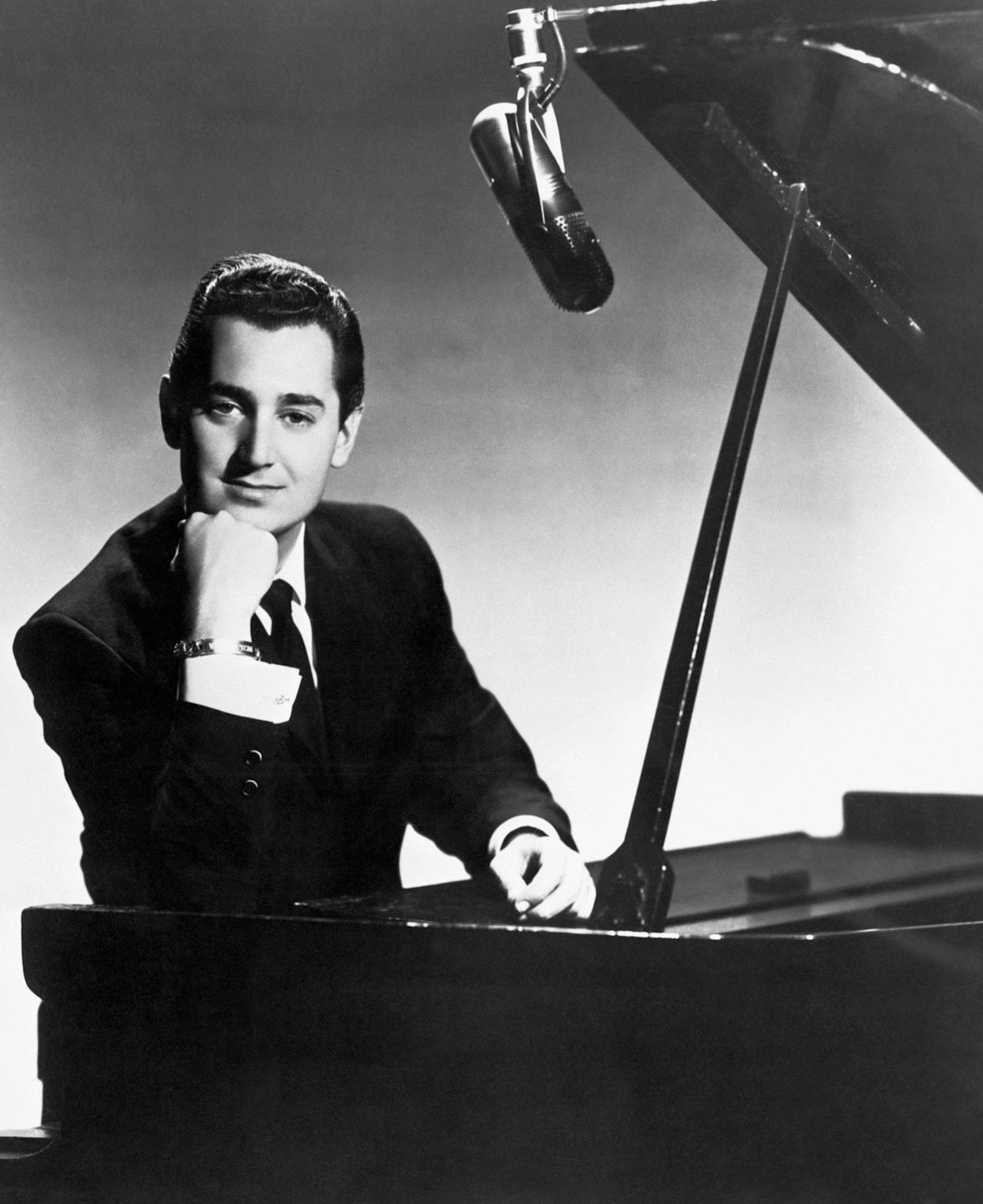
When Neil Sedaka died on Friday, I think everyone of a certain age, regardless of their musical proclivities, must have felt it. “Breaking Up Is Hard to Do,” “Laughter in the Rain,” and “Love Will Keep Us Together” have been a part of our lives since it was still okay to feel good about the world – in no small part thanks to Sedaka’s contributions to it.
The man was pure music. I knew something of his classical music background from a piano concerto he composed, called “Manhattan Intermezzo,” a recording of which I’ve played on the air a few times, but I never realized the extent of his training and ambition until reading up on him after his death.
Both Sedaka’s parents – his father a taxi driver of Lebanese Jewish descent and his mother an Ashkenazi Jew of Polish and Russian descent – played piano. When Neil revealed his own musical aptitude at school, his mother took a part-time job to raise money for a second-hand upright. Sedaka took to it like laughter in the rain. He successfully obtained a scholarship to the Juilliard School of Music prep division.
However, he took an unexpected turn (secretly, so as not to break his mother’s heart) when he teamed with a neighbor, Howard Greenfield, three years his senior, a poet and an aspiring lyricist. Sedaka claims that the two churned out a song a day for the next three years. They pounded the pavement and knocked on doors until Connie Francis recorded “Stupid Cupid.” That was followed by “Where the Boys Are.” When Sedaka received a five-figure royalty check for “Calendar Girl,” he must have thought, hey, maybe this is the way to go, after all – for now anyway. At least it made his mother feel better.
But after a few years, he was starting to get the itch to get back to the long-hair stuff and began to practice seriously, three and four hours a day, with the intent to compete in the Tchaikovsky Piano Competition in Moscow. You’ll remember Van Cliburn won the inaugural competition in 1958, earning himself a ticker-tape parade on Fifth Avenue.
Sedaka, however, would be rejected by the Soviet authorities for his association with “American popular capitalistic music.”
He retained a lifelong love of the classics. Later in his career, he put out a kitschy album of classical music melodies outfitted with his own lyrics.
For Frédéric Chopin’s birthday, I wondered if there might be any videos or recordings of Sedaka playing Chopin. Lo and behold, here he is talking with Steve Allen and then doing just that on “I’ve Got a Secret.”
“Classically Sedaka”
https://archive.org/details/neil-sedaka-classically-sedaka
“Manhattan Intermezzo”
It seemed like Sedaka was around forever, but at the time of his death, he was only 86 years-old.
R.I.P.
Leave a Reply