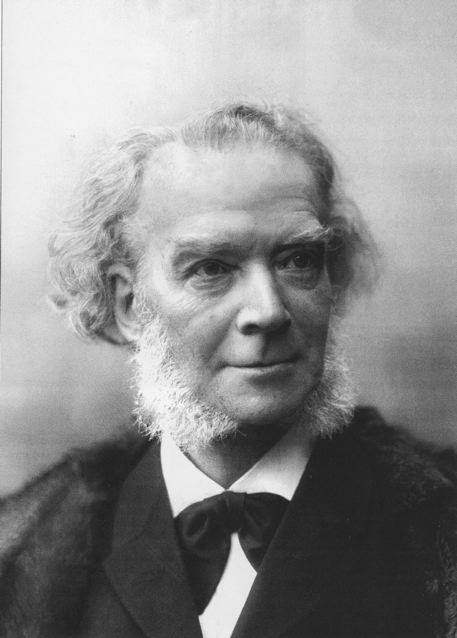
Don’t call him revolutionary. He didn’t care for that. Arnold Schoenberg did not see himself as a troublemaker. Rather, if you could bring yourself to ask him, he might have described himself as a traditionalist who was merely extending the legacy of an inherited past. Then he might have painted your portrait or challenged you to a game of tennis.
On this week’s “Music from Marlboro,” we’ll hear Schoenberg’s Janus-like Serenade, Op. 24. Sure, the Serenade contains the first published example of Schoenberg’s twelve-tone method to employ multiple instruments (and human voice): a setting of Petrarch’s Sonnet No. 217, according to the composer, always so concerned with precision. In actuality, it’s the Sonnet No. 256, if we’re to go by the standard Italian edition of the poet’s works, but who’s counting?
The other five movements push tonality beyond the breaking point, true, but they are not “twelve-tone.” If you find yourself hanging on by your fingernails at the seeming lack of identifiable landmarks, it might be better for you to just let go and allow all the colors to wash over you. Schoenberg employs, in addition to a vocal basso in the three-minute Petrarch setting, B-flat and bass clarinets, mandolin, guitar, violin, viola, and cello.
The composer looks back to classical form through the use of repetitions in the opening “March,” the second movement “Minuet,” and the fifth movement “Dance Scene.” There is also a seeming affirmation of the past through the deliberate choice of Petrarch as a source of inspiration for the fourth movement “Sonnet.” The third movement is a set of “Variations,” and the sixth a “Song (without Words).” A “Finale” caps the piece,” which, by Schoenberg standards, is fairly light and easygoing.
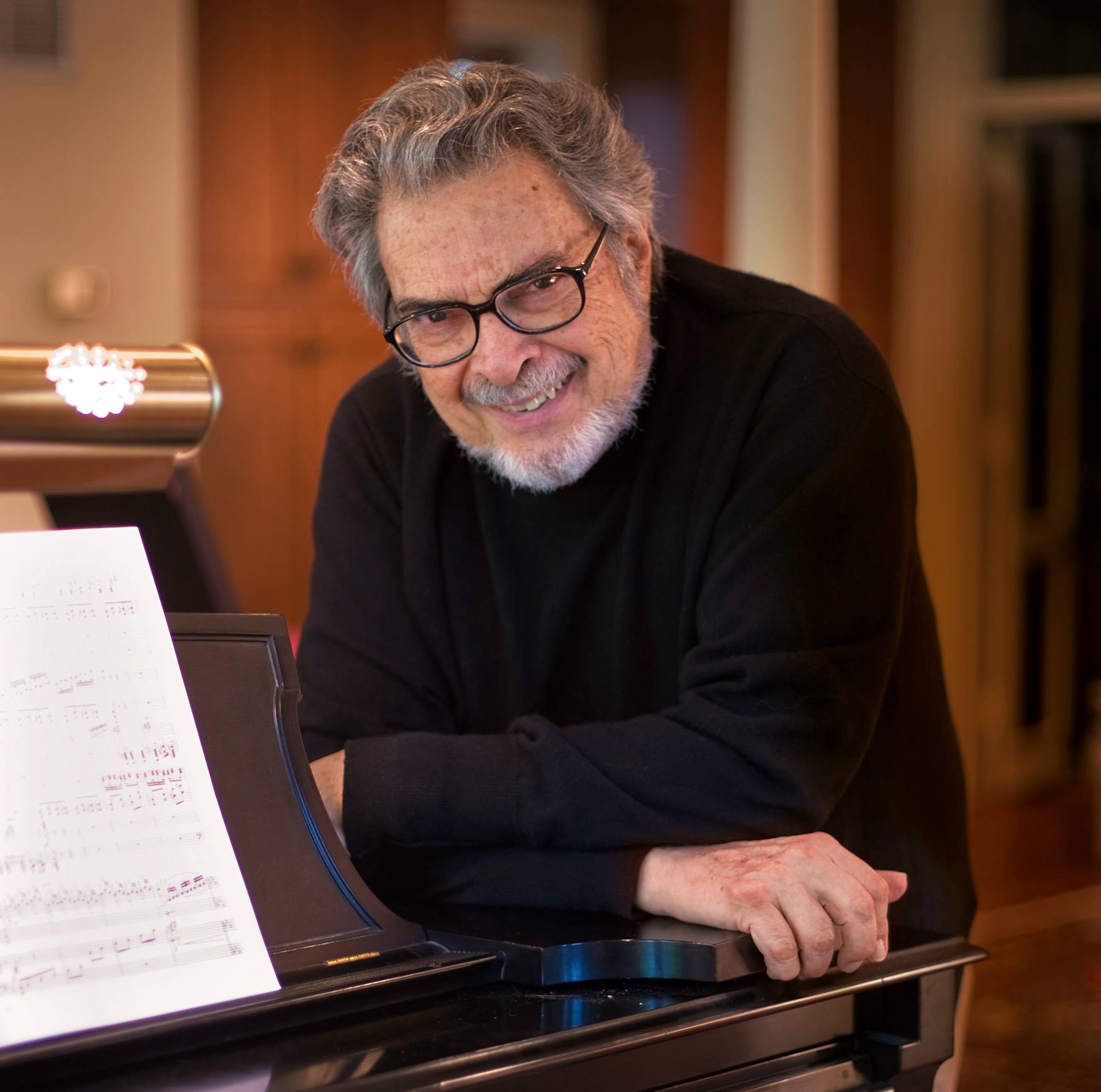
We’ll hear a performance from the 1966 Marlboro Music Festival, with Leon Kirchner directing the ensemble. Coincidentally, today is Kirchner’s birthday.
To round off the hour, we’ll also have a delightful work by Wolfgang Amadeus Mozart – his Sonata in B-flat for Bassoon and Cello, K. 292. The 1975 performance will feature bassoonist Alexander Heller and a 19 year-old cellist named Yo Yo Ma.
Ma plays Mozart, and we take a shine to Schoenberg, on the next “Music from Marlboro,” this Wednesday evening at 6:00, on WWFM – The Classical Network and wwfm.org.
Marlboro School of Music and Festival: Official Page
Arnold Schoenberg: music’s menace loved his tennis