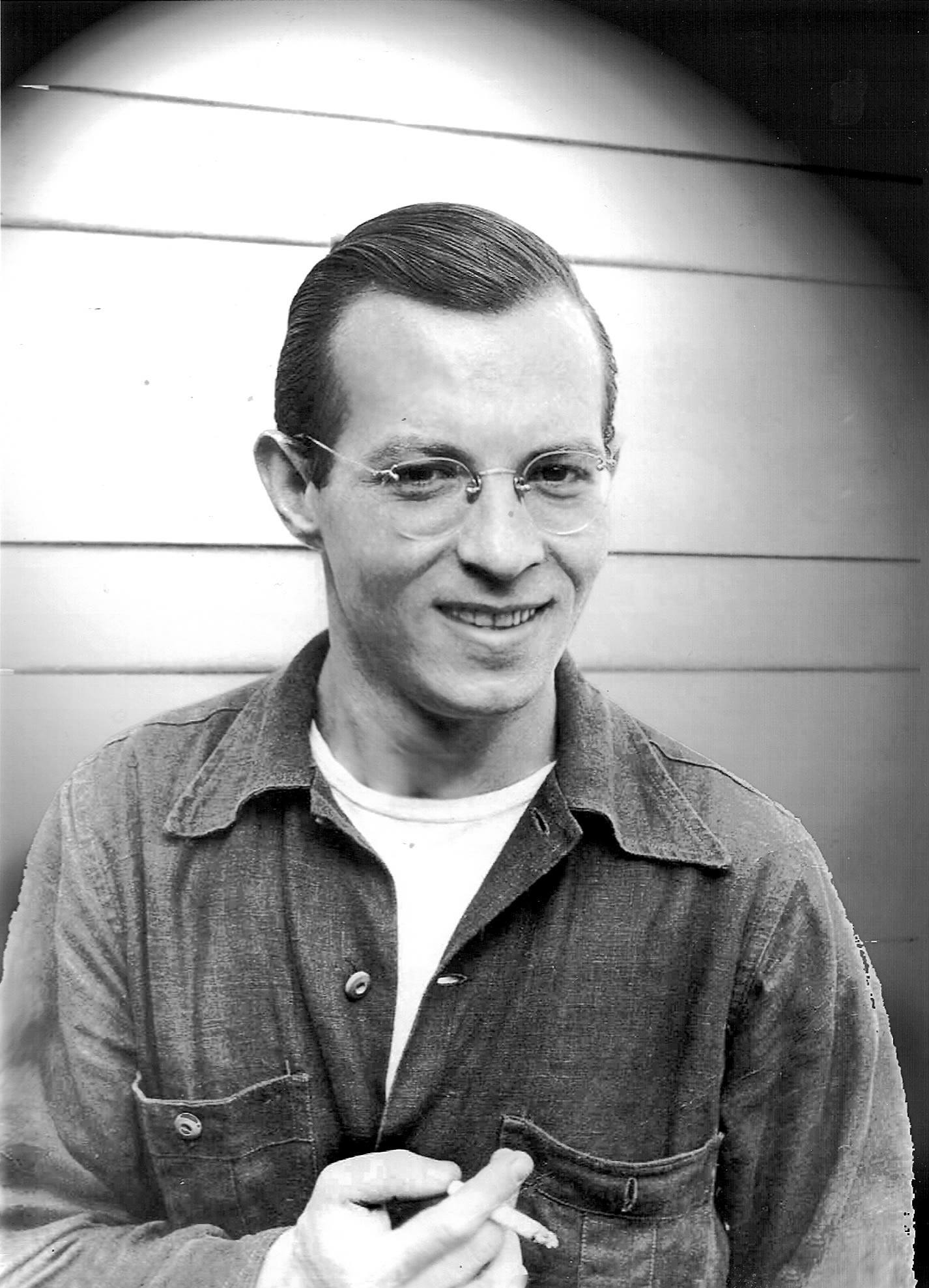
It’s a big country.
When “Porgy and Bess” concluded its New York run in 1935, George Gershwin invited Jerome Moross to join the show, on tour, as a pianist. It was while on a bus trip to Los Angeles to participate in “Porgy’s” west coast premiere that the 23 year-old made a stop in Albuquerque.
“[A]s we hit the Plains I got so excited,” Moross recollected. “. . .[T]he next day I got to the edge of town and then walked out onto the flat land with a marvelous feeling of being alone in the vastness, with the mountains cutting off the horizon. The whole thing was just too much for me . . . it was marvelous, and I just fell in love with it.”
The experience served him well, as some of his most famous music, the Academy Award-nominated score for “The Big Country,” enshrines that sense of wide-open excitement in the face of sweeping vistas. Western high-spirits and American jazz color most of Moross’ output, whether for the silver screen, musical theater, or concert hall.
At home in all forms, Moross composed concert music (including a symphony for Beecham), ballet (“Frankie and Johnny,” with female vocal trio), musical theater (the cult classic “The Golden Apple,” including the evergreen “Lazy Afternoon”), opera (“Sorry, Wrong Number”), and of course classic film scores (his magnum opus, “The Big Country”).
Happy birthday, Jerome Moross. You tackled everything with exuberance and vitality.
“The Big Country” (with a young John Williams in the orchestra, on piano):
“Lazy Afternoon,” sung by Kaye Ballard from the 1954 original cast recording:
The Sonata in G major for Piano Duet and String Quartet:
Leave a Reply to ร้านยาCancel reply