Category: Daily Dispatch

  • Mozart’s Humanity Celebrate His Birthday on WWFM

    Mozart’s Humanity Celebrate His Birthday on WWFM

    There’s a lot of art in Mozart. But also a lot of humanity.

    Join us today on The Classical Network, as we celebrate the 264th anniversary of the birth of Johannes Chrysostomus Wolfgangus Theophilus Mozart – better known as Wolfgang Amadeus Mozart.

    Current events got you down? Take the long view. This music from over two centuries ago still has the ability to touch our hearts, soothe our minds, and reach into our souls. Mozart’s music reflects what is best in Man.

    Tune in for a broad sampling of his extraordinary output, including symphonies, concertos, operas, orchestral, choral, vocal, chamber and instrumental music. If you enjoy it, please support it, with your contribution at wwfm.org.

    While you’re at it, pick up a thank you gift. Of course, we’ve a broad array of music-oriented loot. This time around, we’re adding a 2-CD set of Mozart adagios. This is the perfect collection to insulate yourself from the cares of the world.

    The saying goes that the best things in life are free, but it sure does cost money for us to bring you the music. We’ve been able to hang in there for 37 years, thanks to the generosity and perspicacity of listeners just like you.

    Please call us at 1-888-232-1212, or make your donation online at wwfm.org. Thank you for your continued support of WWFM – The Classical Network!


    FUN FACT: Mozart signed his name “Amadeus” only a few times in his life, when he was playing around in letters written in a kind of mock Latin. In fact, “Amadè,” “Amadé,” or simply “Amade” were his preference (“Amadeo” in Italy). He was fairly cavalier in the placement of the accent. It was only on his death certificate that the form “Amadeus” took root. His widow, Constanze, picked up on it and used it in her appeal to the Emperor for a pension (ultimately successful), citing Mozart’s contributions. As her late husband became increasingly venerated, “Amadeus” became the standard.

    Of course, we can be as pedantic as we like. But nothing changes the transcendent quality of the music and its enduring ability to elevate our mood.

    Find peace with Mozart on WWFM The Classical Network.
  • Aboriginal Music From Australia

    Aboriginal Music From Australia

    This Sunday night on “The Lost Chord,” on Australia Day, it’s an hour of music celebrating the beleaguered continent’s indigenous peoples.

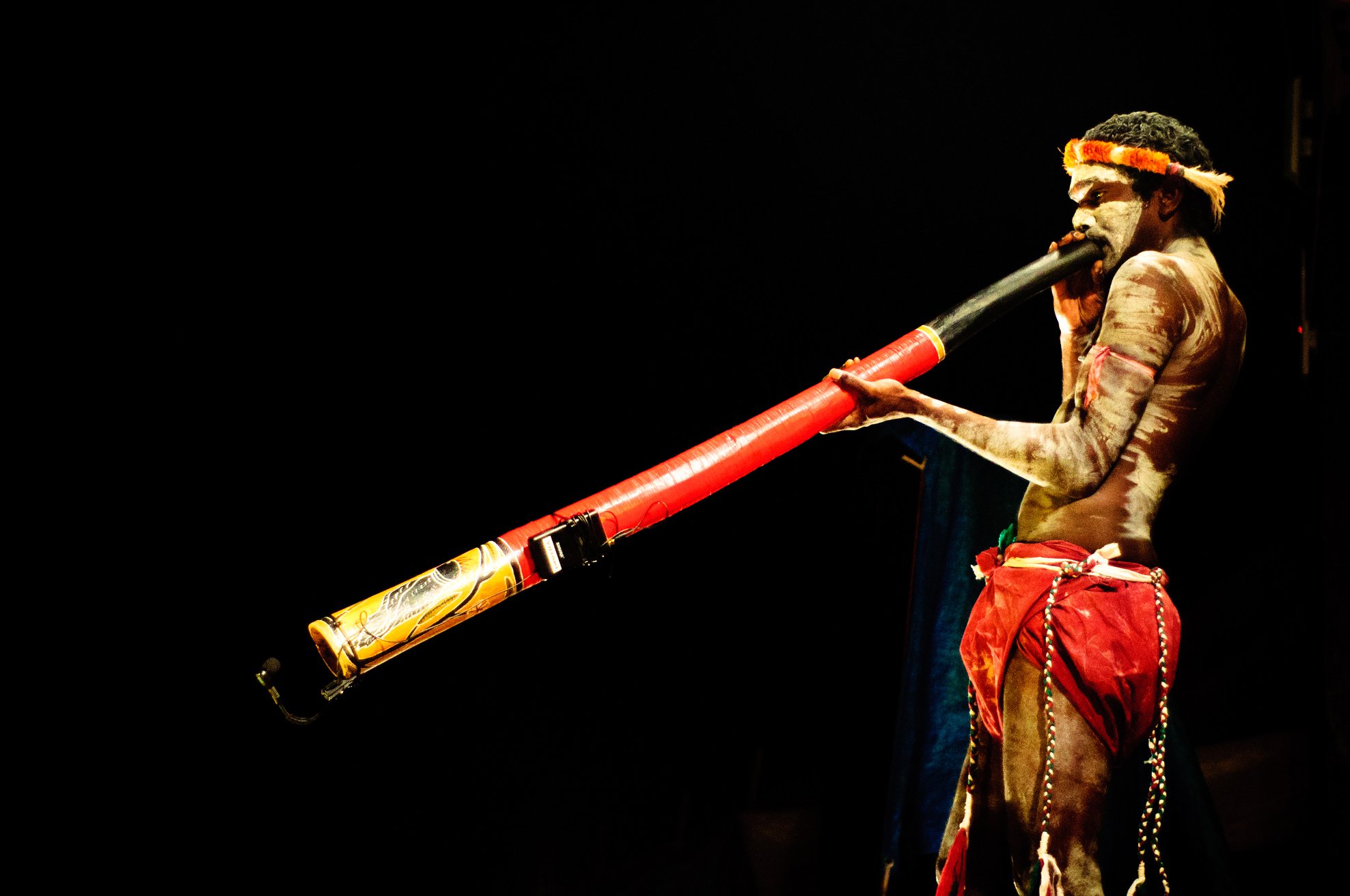
    Peter Sculthorpe (1929-2014) devoted much of his compositional output to environmental concerns, such as climate change and preservation of wildlands, and demonstrated an overt sympathy for Aboriginal culture. His String Quartet No. 12 of 1994 includes a part for didgeridoo.

    50 years earlier, John Antill (1904-1986) recollected a sacred ceremony he attended, when he came to write his 1944 ballet, “Corroboree.” Among its unusual instrumental effects is the appearance at the work’s climax of a bullroarer.

    Embrace endangered traditions of a vanishing land. We head Down Under and outback, on “Didya Hear the One About the Didgeridoo?,” this Sunday night at 10:00 EST, on WWFM – The Classical Network and wwfm.org.


    To get you in the mood, here’s ten hours of didgeridoo music:

    And a demonstration of the bullroarer:
    https://www.youtube.com/watch?v=2ODGE2f7gLQ

  • Robert Moran’s Music Legacy at University of Delaware

    Robert Moran’s Music Legacy at University of Delaware

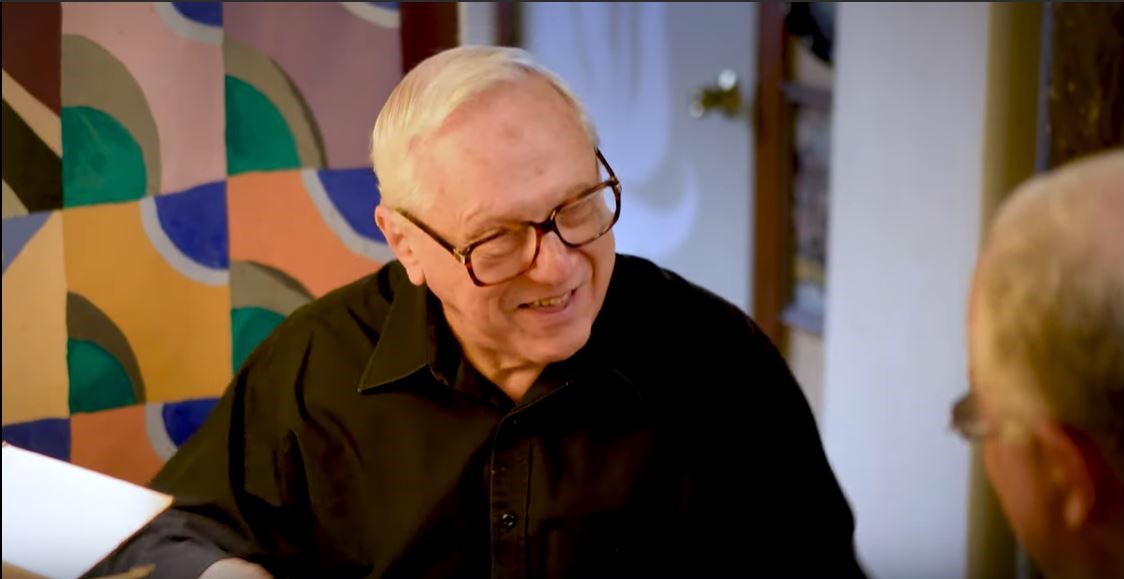
    The University of Delaware is setting up an archive of Robert Moran’s manuscripts. Bob sent out this video of the process, apparently the first of three. Evidently it transpired at his house, prior to a break for dinner and against the looming menace of a Philadelphia parking meter.

    The interviewer is James Allen Anderson, Delaware’s director of orchestral activities, who, as music director of the university’s symphony orchestra, has conducted a lot of Bob’s music, including the collaborative opera (with Philip Glass) “The Juniper Tree.”

    Even though I’d heard a number of these anecdotes before, there’s still plenty that was new to me. Of course, I loved the little asides that reveal the composer’s feelings about some of his colleagues, or how certain well-known musicians related to one other. Had I known Bob was going to be so enthusiastic about it, I would have suggested he donate his manuscripts a long time ago!

    Incidentally, he’s not parting with everything. That box is by no means all-inclusive. I’m told there are at least two more to go. Bob wrote some full-length operas (other than “The Juniper Tree”) and an evening-length ballet on the subject of Alice in Wonderland. Also, he’s planning to hang on to some of the more popular rentals.

    The first 55 minutes or so are mostly autobiographical, providing a brisk overview of the composer’s life and all the fascinating people he worked with and encountered. It is not by any measure comprehensive. We don’t really hear any details about his insane performance pieces of the late ‘60s and early ‘70s that involved entire cities – including San Francisco, Bethlehem, PA, and Graz, Austria – or his work for Houston Grand Opera. For those, I hope we won’t have to wait for the definitive biography.

    The last 45 minutes consist of random thoughts and anecdotes triggered by going through the manuscripts. There’s even a shout-out to Classic Ross Amico at the 1:31:00 minute mark!

    Be forewarned, even though Bob is on his best behavior, there are a few brief interludes that slip into PG-13 territory. Still, for Bob, this is pretty family-friendly.

    Also, while you’re at it, do yourself a favor and check out some of his music. It’s not ALL tied up in being a merry prankster.


    From the opera “Desert of Roses” (after Beauty and the Beast):

    Trinity Requiem (for the tenth anniversary of 9/11):

    “Ten Miles High Over Albania” (for eight harps):

    “Alice” at the Scottish Ballet:

    “Obrigado” (for percussion ensemble):

    “Game of the Antichrist” (with giant puppets):

  • Kaprálová Remembered on The Classical Network

    Kaprálová Remembered on The Classical Network

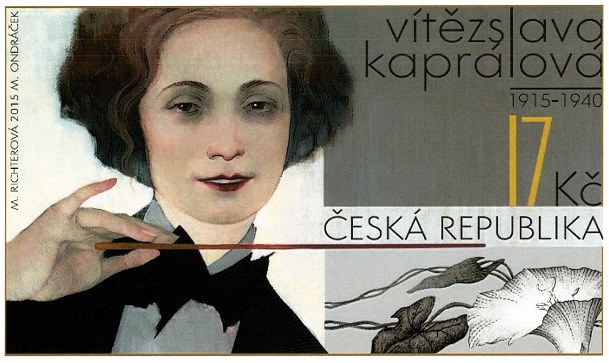
    Vitězslava Kaprálová undoubtedly would be much better known had she not died of tuberculosis at the age of 25. This brilliant musician was poised to become perhaps the best-known woman composer and conductor in all of Europe. Among her teachers were Vitězslav Novák, Václav Talich, Charles Munch, Nadia Boulanger and Bohuslav Martinů.

    We’ll remember Kaprálová this afternoon on The Classical Network, on the anniversary of her birth, with a recording of the piece that brought her her greatest success, the “Military Sinfonietta.” Kaprálová herself conducted the work’s first performance, with Czechoslovakia’s president, Edvard Beneš, in attendance, in 1937. The next year, she conducted it again in London, with the BBC Symphony Orchestra, at the Festival of the International Society for Contemporary Music.

    Her relationship with Martinů deepened into one of romantic love. We’ll hear some of Martinů’s music, as well, alongside birthday tributes to Liszt pupil William Mason, Pulitzer Prize winners Norman Dello Joio and Leon Kirchner, Austrian composer and arranger Gottfried von Einem, and composer and writer of supernatural fiction E.T.A. Hoffmann.

    At 6:00, we’ll get a jump on the Lunar New Year on “Picture Perfect,” with music from movies set along the Silk Road, including “The Adventures of Marco Polo” (Hugo Friedhofer), “Genghis Khan” (Dusan Radic), “Mongol” (Tuomas Kantelinen), and “Crouching Tiger, Hidden Dragon” (Tan Dun).

    Cap your day with Kaprálová and a swathe of cinematic silk, from 4 to 7 p.m. EST, on WWFM – The Classical Network and wwfm.org.

  • Lunar New Year on the Silk Road in Film

    Lunar New Year on the Silk Road in Film

    Welcome the Year of the Rat! This week on “Picture Perfect,” on the eve of Lunar New Year, we travel the Silk Road to China.

    We’ll have music from “The Adventures of Marco Polo” (1938), which features Gary Cooper, of all people, as the medieval merchant-explorer. The score was the first by Hugo Friedhofer (born in San Francisco, despite his über-German name). Freidhofer had been laboring as an orchestrator for bigger-named composers, such as Erich Wolfgang Korngold and Max Steiner. He would go on to win an Academy Award for his music for “The Best Years of Our Lives.”

    Then we’ll hear selections from two big screen presentations of the exploits of Genghis Khan. In the best Old Hollywood tradition, “Genghis Khan” (1965) had quite the multi-national cast: Omar Sharif, Stephen Boyd, James Mason, Robert Morley, Francoise Morleac, Telly Savalas, Eli Wallach, Woody Strode, and hordes of extras. The music was by Yugoslavian composer Dusan Radic.

    “Mongol” (2007) was a joint production of Russia, Germany and Kazakhstan, but the film was actually shot in China. The music is by Finnish composer Tuomas Kantelinen, supplemented by contributions by the Mongolian rock band Altan Urag. We’ll stick with the orchestral stuff.

    The score is striking for its use of khöömii throat-singers, female soloists lamenting and ululating over the orchestra, as well as the unique art of “urtiin duu,” traditional Mongolian long-singing. “Mongol” received an Academy Award nomination for Best Foreign Language Film.

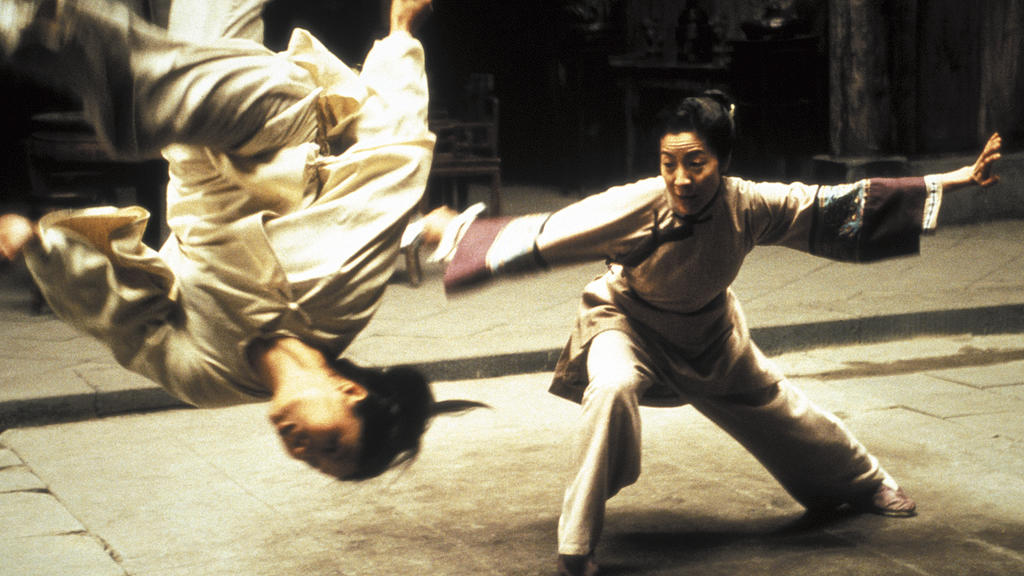
    Finally, we’ll hear selections from “Crouching Tiger, Hidden Dragon” (2000), with music by Tan Dun. The film was the winner of four Academy Awards, including Best Foreign Language Film and Best Original Score. It was also nominated for Best Picture.

    Yo-Yo Ma performs the cello solos. One of the tracks is titled “Silk Road.” In 1998, Ma founded his Silk Road Ensemble.

    Slip into some sensible shoes. We’ll travel 7000 miles along the Silk Road this week, on “Picture Perfect,” music for the movies, this Friday evening at 6:00 EST, on WWFM – The Classical Network and wwfm.org.

Tag Cloud

Aaron Copland (93) Beethoven (95) Composer (114) Film Music (137) Film Score (143) Film Scores (255) Halloween (94) John Williams (195) KWAX (229) Leonard Bernstein (103) Marlboro Music Festival (125) Movie Music (152) Mozart (88) Opera (208) Philadelphia Orchestra (89) Picture Perfect (174) Princeton Symphony Orchestra (108) Radio (88) Ross Amico (244) Roy's Tie-Dye Sci-Fi Corner (290) The Classical Network (101) The Lost Chord (268) Vaughan Williams (103) WPRB (396) WWFM (881)

DON’T MISS A BEAT

Receive a weekly digest every Sunday at noon by signing up here


RECENT POSTS