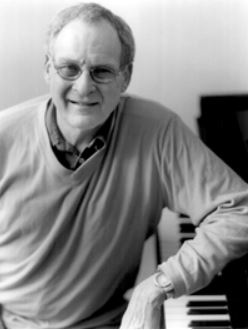
I just learned the composer Christopher Gunning has died. I have a few of his concertos and symphonies in my own collection, but fans of David Suchet’s Poirot will certainly recognize this:
Here’s a video of Gunning at home, talking about some of his symphonies:
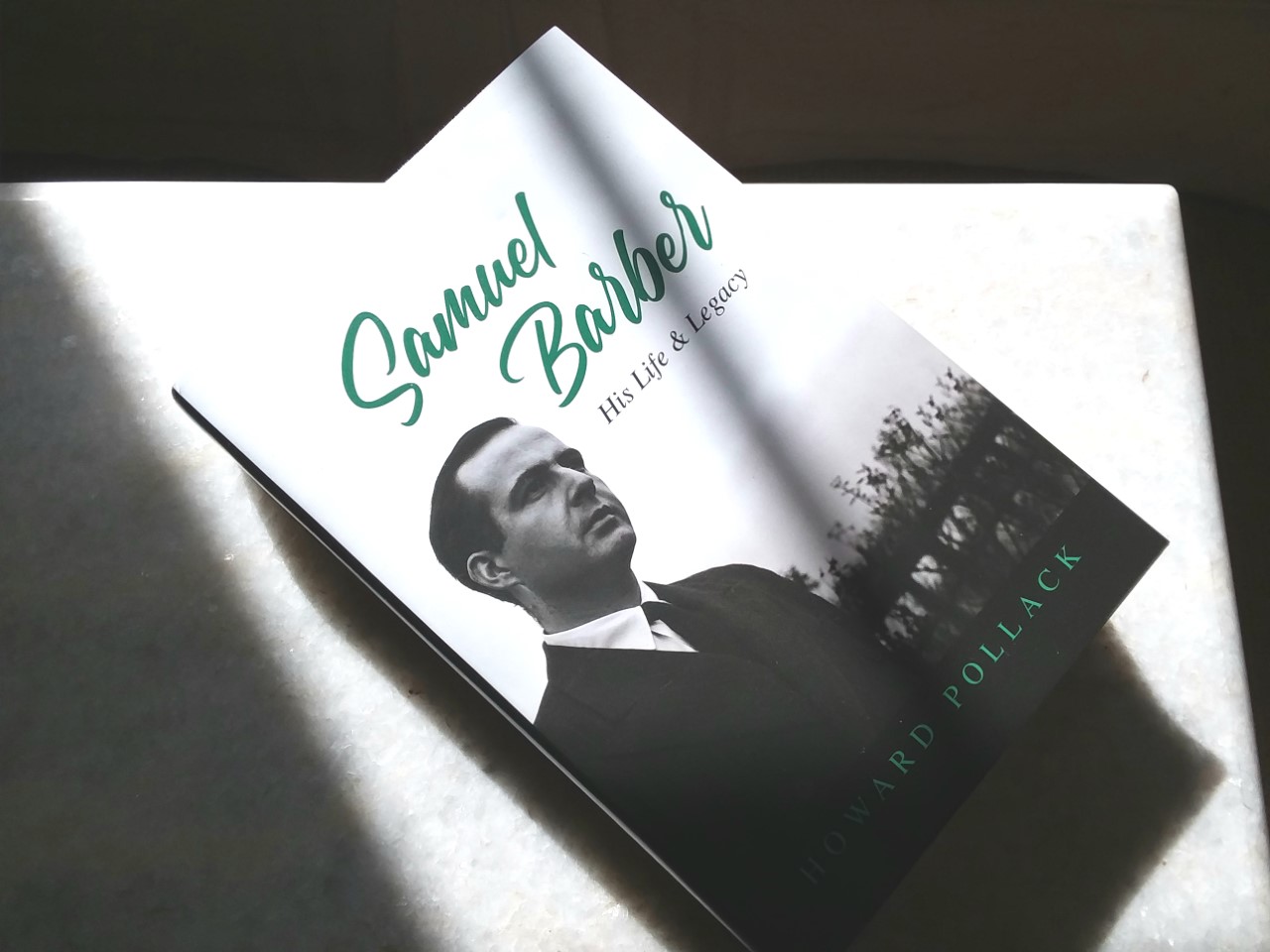
Received this baby from University of Illinois Press the other day. I’m very much looking forward to reading it. If it’s anything like Howard Pollack’s Copland biography, it should be superb. Pollack has also written acclaimed books about American composers John Alden Carpenter, George Gershwin, and Marc Blitzstein, among others. “Samuel Barber: His Life & Legacy” is scheduled for release on April 4.
If you’re going to throw your hat into the operatic arena, you’d better have the stomach for a long fight.
Composer Lewis Spratlan was the recipient of the 2000 Pulitzer Prize for Music for a concert version of Act II of his three-act opera “Life Is a Dream.” Spratlan had actually composed the work between 1975 and 1978, on a commission from New Haven Opera. But while he was at work on the piece, New Haven Opera ceased to exist. It wasn’t until 2000 that Act II was first heard at Amherst College (where Spratlan taught) and then Harvard University. The complete opera would be heard at Santa Fe Opera for the first time only in 2010.
Spratlan composed a second opera, “Earthrise” for San Francisco Opera. His third, “Architect,” a chamber opera about Louis I. Kahn, was released on Navona Records in 2013. There’s also a fourth opera, “Midi,” which transplants the Medea story to the French Caribbean.
A recipient of a number of fellowships from Guggenheim, Rockefeller, Bogliasco, NEA, Massachusetts Cultural Council, and MacDowell, among others, Spratlan also produced significant orchestral, chamber, choral, and instrumental works.
He is remembered by his students for his empathy and his generosity. Not one to impose his own aesthetic values, he allowed his pupils to develop their own compositional voices, but on a firm musical foundation, always with a consideration of structure and technique and an historical awareness of what came before.
Spratlan died on February 9. He was 82 years-old. R.I.P.
Spratlan on “Life Is a Dream”
“Invasion,” his response to the war in Ukraine
“Bangladesh”
“When Crows Gather”
Characteristically fine album from Boston Modern Orchestra Project (BMOP)
“Vespers Cantata: Hesperus is Phosphorus,” a truly lovely work composed for The Crossing and Network for New Music
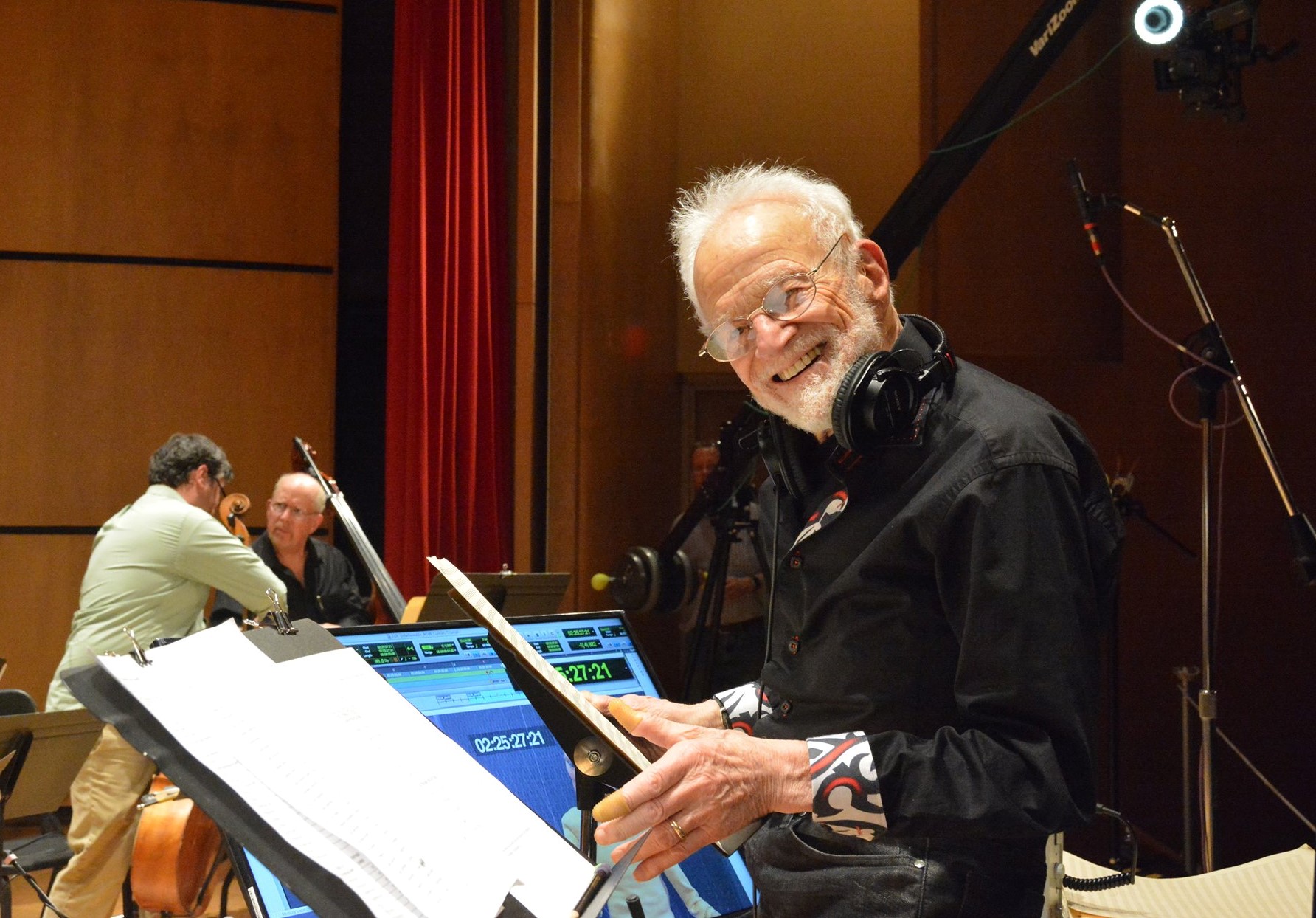
I am very sorry to learn that Gerald Fried has died.
Fried was the composer of nearly 300 film and television scores.
A schoolmate of Stanley Kubrick, he provided the music for the director’s earliest projects (up until “Spartacus”). The best known of these are “The Killing,” with Sterling Hayden, and “Paths of Glory,” with Kirk Douglas.
His fruitful collaborations with producer David L. Wolper yielded “Birds Do It, Bees Do It,” which earned Fried an Academy Award nomination, and the landmark miniseries “Roots,” which won him an Emmy.
He composed original music for five episodes of “Star Trek, in its original series incarnation, including those for fan favorites “Shore Leave” and “Amok Time” (source of the much-parodied “Star Trek fight music”). Selections from these scores were recycled in subsequent installments of the series.
He also contributed to “Riverboat,” “Shotgun Slade,” “Gilligan’s Island,” “The Man from U.N.C.L.E.,” “Mission: Impossible,” and many others.
Between 1948 to 1956, Fried was principal oboist of the Dallas Symphony Orchestra and the New York Little Orchestra.
His final film project was the science fiction parody “Unbelievable!!!!” in 2020. In his later years, he also wrote screenplays.
In 2021, we were very lucky to have him as a guest on Roy’s Tie-Dye Sci-Fi Corner. Roy characterizes his appearance as a very special interview. I concur. He impressed me as a kind and generous man.
At the time of his death, Fried was 95-years-old. R.I.P.
Fried performs music from three of his classic “Star Trek” scores – including the iconic fight music from “Amok Time”:
Finnegan
Ruth
Spock vs. Kirk
“Paths of Glory”
“Birds Do It, Bees Do It”
Fried and family perform music from “Roots”
Gerald Fried conversing with us on “Roy’s Tie-Dye Sci-Fi Corner”
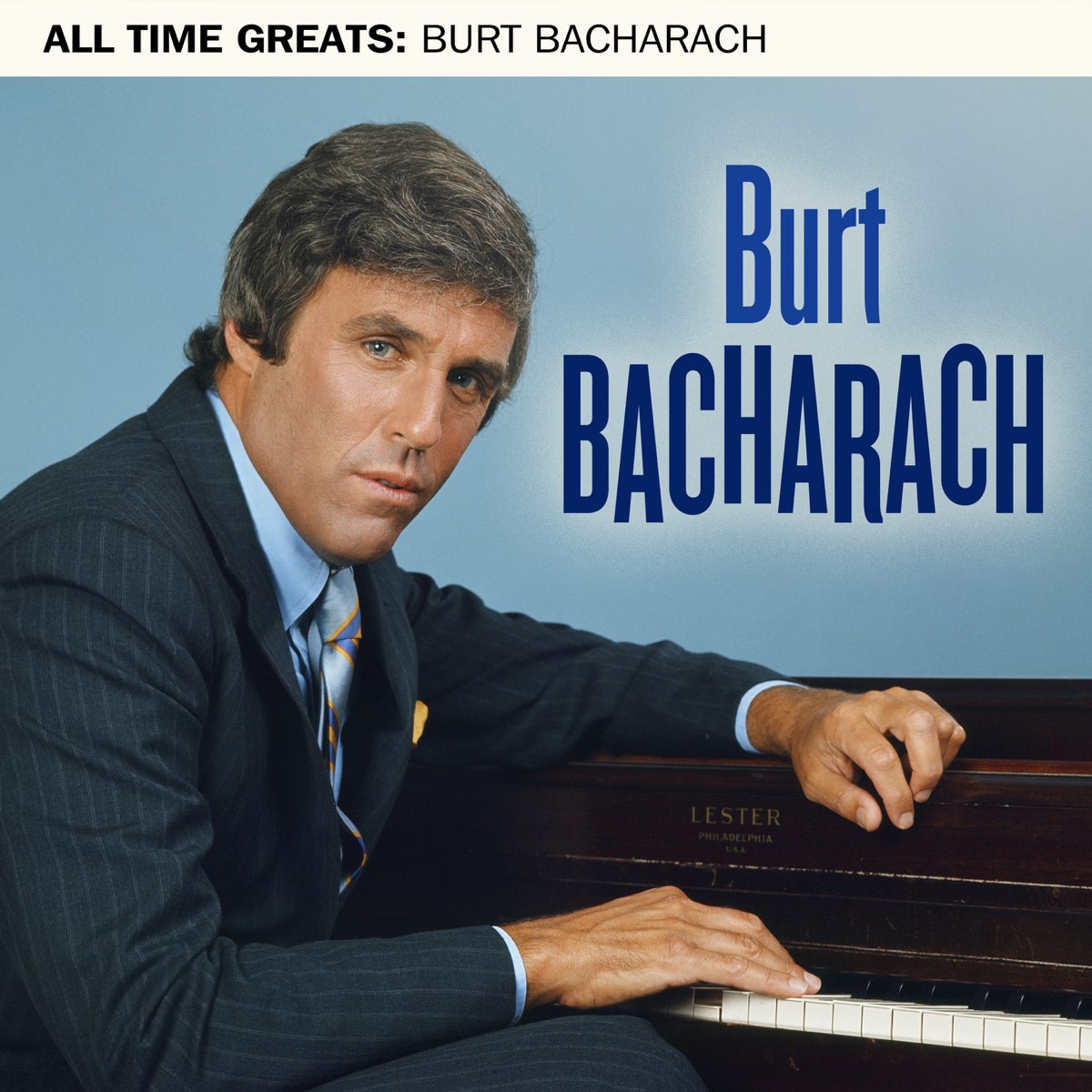
Burt Bacharach, perhaps the least likely pupil of Darius Milhaud, has died. Bacharach, the award-winning composer of such indelible hits as “(There’s) Always Something There to Remind Me,” “Don’t Go Breakin’ My Heart,” “Alfie,” “Casino Royale” (1966), “I Say a Little Prayer,” “Raindrops Keep Fallin’ on My Head,” “Arthur’s Theme (Best That You Can Do),” “Heartlight,” “That’s What Friends Are For” and, yes, the theme to “The Blob” (1958), among many others, also studied with Henry Cowell and Bohuslav Martinu. Under Milhaud’s supervision, he composed a Sonatina for Violin, Oboe and Piano. Obviously, his destiny – and his fortune – lay elsewhere. Bacharach was 94 years-old. R.I.P.