Tag: Miklos Rozsa

  • Chivalry in Film Music Picture Perfect

    Chivalry in Film Music Picture Perfect

    The term “chivalry” conjures images of knights in armor, of courtly behavior, of bravery, honor, courtesy, moral virtue, and willingness to defend the weak. For the average filmmaker and moviegoer, that likely translates into spectacle and adventure.

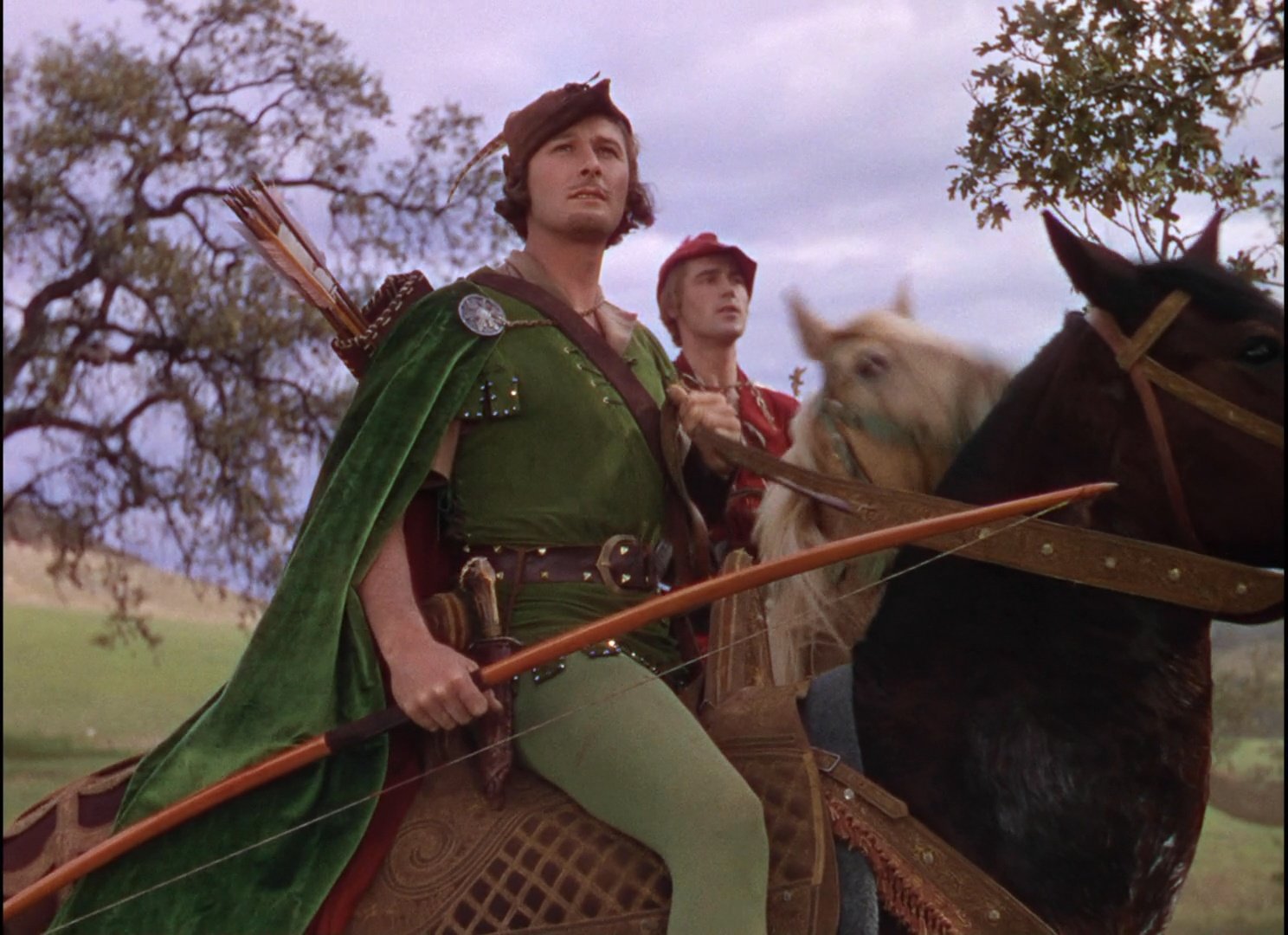
    This week on “Picture Perfect,” we’ll sample scores from movies that celebrate or circumvent the code and listen to selections from “The Warlord” (Jerome Moross), “El Cid” (Miklós Rózsa), “Lionheart” (Jerry Goldsmith), and “The Adventures of Robin Hood” (Erich Wolfgang Korngold).

    Chivalry is not dead! We embark on another crusade for worthy film music, on “Picture Perfect,” music for the movies, this Saturday evening at 6:00 EDT, on WWFM – The Classical Network and wwfm.org!


    Robin is a bold rascal:

  • Rózsa’s Thief of Bagdad Birthday Tribute

    Rózsa’s Thief of Bagdad Birthday Tribute

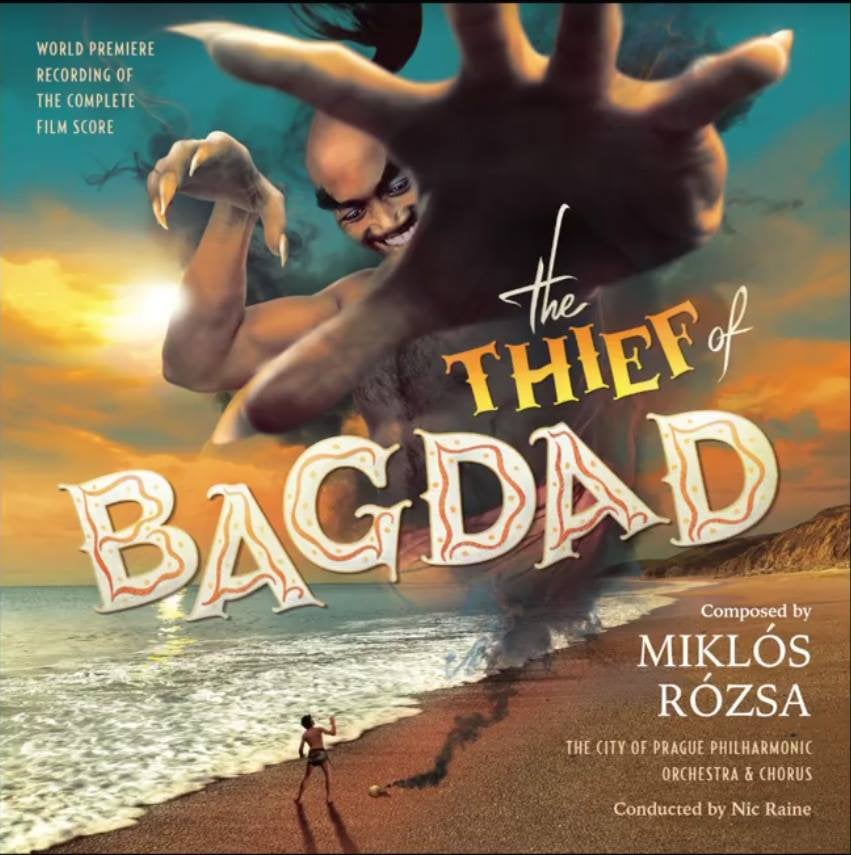
    Between Passover and Easter, Miklós Rózsa’s biblical epics may still be resounding in our ears. But he composed superb scores in most every genre. Here are two selections from one of my Rózsa favorites, “The Thief of Bagdad” (1940).

    “Love of the Princess”

    “Market of Basra”

    Both performances are from sessions for a complete recording of the work, released in 2017, a collaboration between Prometheus Records and Tadlow Music.

    If a genie would have offered to grant me three wishes, a recording of this score would have been one of them.

    Happy birthday, Miklós Rózsa.

  • Bible Movie Epics: Samson, Solomon & More

    Bible Movie Epics: Samson, Solomon & More

    With Passover and Easter right around the corner, we’re entering the peak season for Bible movies. This week on “Picture Perfect,” it’s an hour of music from epics inspired by the Old Testament – including “Samson and Delilah” (Victor Young), “Solomon and Sheba” (Mario Nascimbene), “Sodom and Gomorrah” (Miklós Rózsa) and “The Ten Commandments” (Elmer Bernstein).

    We begin and end with two Cecil B. DeMille productions. DeMille could always be counted on to give his audience a good show. Both “Samson” and “The Ten Commandments” feature sultry temptresses, violent, bare-chested men, and plenty of austere moralizing. The climactic special effects in both films are still sublime.

    Tyrone Power was originally cast as Solomon in King Vidor’s “Solomon and Sheba.” However, he died of a massive heart attack during shooting (at the age of 44), paving the way for Yul Brynner to assume the role of the wise king. Brynner, of course, would later become DeMille’s pharaoh Rameses. With Gina Lollobrigida as the Queen of Sheba, you know there has to be an orgiastic dance.

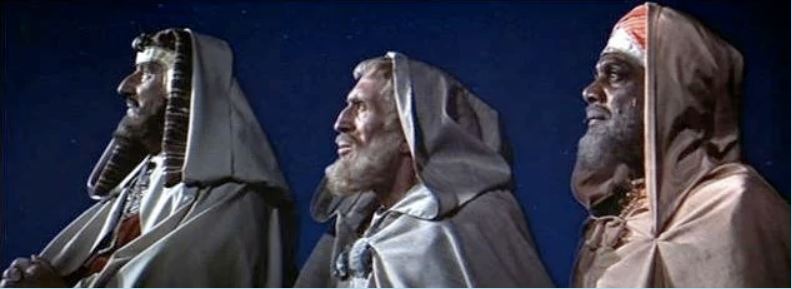
    Miklós Rózsa characterized “Sodom of Gomorrah” as “an intriguing subject which developed into a bad picture,” and most critics agreed. Any film that casts Stewart Granger as Lot should be taken with a pillar of salt. Rózsa determined not to score any more Biblical epics after “Sodom,” though his music is nothing to be ashamed of. It possesses that classic Rózsa epic sound, much beloved, thanks to his work on “Quo Vadis,” “Ben-Hur” and “King of Kings.”

    Chariots! Tunics! Histrionic acting! It’s going to be epic, this Saturday evening at 6:00 EDT, on WWFM – The Classical Network and wwfm.org!


    PHOTOS: Victor Mature’s stuffed lion vs. Charlton Heston’s cotton candy beard

  • Great Detective Movie Music

    Great Detective Movie Music

    This week on “Picture Perfect,” what do Sherlock Holmes, Hercule Poirot, Sam Spade, Dick Tracy, and Inspector Clouseau have in common? Get clued in, with music from movies about the great detectives.

    Billy Wilder’s “The Private Life of Sherlock Holmes” (1970) is an unusually melancholy meditation from a director often celebrated for his hard-edged comedies. That’s not to say Wilder didn’t make more serious films, or that his Sherlock Holmes lacks humor or irreverence, but the lasting impression is somewhat elegiac.

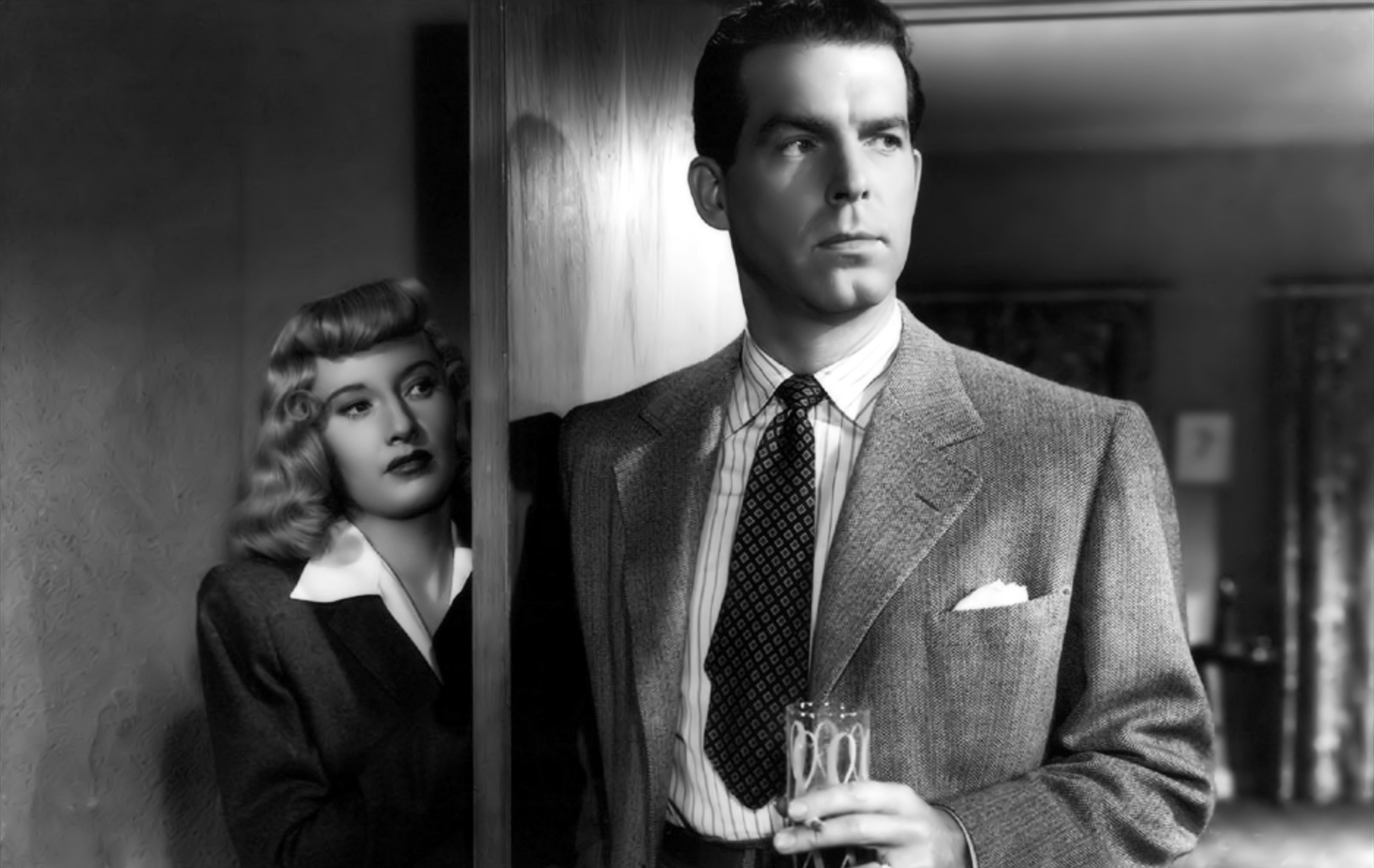
    A good part of the reason was his request of composer Miklós Rózsa (who had written music for the director’s much earlier classics, “Double Indemnity” and “The Lost Weekend”) to adapt his own Violin Concerto, a recording of which Wilder had played incessantly during pre-production. The heart-rending slow movement, especially, appears prominently, and mirrors Holmes’ sense of isolation, to say nothing of his retreats into music and drug addiction.

    The great Albert Finney memorably portrayed Agatha Christie’s fastidious detective, Hercule Poirot, in “Murder on the Orient Express” (1974). The first and best of the all-star Christie thrillers, this one featured, among others, Lauren Bacall, Martin Balsam, Ingrid Bergman, Sean Connery, John Gielgud, Anthony Perkins, Richard Widmark, and Michael York. Bergman’s performance was recognized with an Academy Award for Best Supporting Actress.

    The catchy score, by Richard Rodney Bennett, was also nominated, but the Oscar that year went to Nino Rota and Carmine Coppola, for their music for “The Godfather, Part II.”

    Warren Beatty’s amusing homage to comic strip hero “Dick Tracy” (1990) is worthwhile for its starry cameos, sharp production design, and retro score by Danny Elfman. Elfman’s love theme sounds as if it could have been written by any number of composers from Hollywood’s golden age, all under the influence of George Gershwin.

    Lending a touch of noir, Humphrey Bogart plays private dick Sam Spade, in John Huston’s adaptation of Dashiell Hammett’s “The Maltese Falcon” (1941). Bogart, at his hardboiled best, is bolstered by a game supporting cast, including Mary Astor, Peter Lorre, Sidney Greenstreet, and Elisha Cook, Jr.

    The music is by Adolph Deutsch, one of the less remembered names of Hollywood’s heyday, although he scored such enduring films as “Father of the Bride,” “Little Women” (1949), and “Some Like It Hot.” He also provided background music for the big screen adaptation of “Oklahoma,” and conducted the orchestra in musicals like “Seven Brides for Seven Brothers” and “Annie Get Your Gun.”

    Finally, to wrap things up on a lighter note, we’ll enjoy a potpourri assembled from the “Pink Panther” comedies of Blake Edwards. Peter Sellers plays the bumbling Inspector (later Chief Inspector) Clouseau. The insinuating, breezy, and “cool” scores are by Henry Mancini.

    I hope you’ll join me for this hour with the great detectives, on “Picture Perfect,” music for the movies. To miss it would be a crime, this Saturday evening at 6:00 EST, on WWFM – The Classical Network and wwfm.org

  • Miklós Rózsa Centennial Celebration

    Miklós Rózsa Centennial Celebration

    Today is the birthday of the great Miklós Rózsa (1907-1995).

    Rózsa receives his third Academy Award, from the hand of Gene Kelly. (BONUS: André Previn wins for his work on “Porgy and Bess.”)

    Later, Rózsa conducted a suite from his most celebrated film score on the PBS series “Previn & the Pittsburgh.”

    Previn interviews Rózsa, in the presence of John Williams. (Fun anecdote about Bernard Herrmann and slight regard for Herbert Stothart.)

    Happy birthday, Miklós Rózsa!


    PHOTO (right to left): Rózsa, Previn, and Williams in 1979

Tag Cloud

Aaron Copland (92) Beethoven (95) Composer (114) Film Music (123) Film Score (143) Film Scores (255) Halloween (94) John Williams (187) KWAX (229) Leonard Bernstein (101) Marlboro Music Festival (125) Movie Music (138) Opera (202) Philadelphia Orchestra (89) Picture Perfect (174) Princeton Symphony Orchestra (106) Radio (87) Ralph Vaughan Williams (85) Ross Amico (244) Roy's Tie-Dye Sci-Fi Corner (290) The Classical Network (101) The Lost Chord (268) Vaughan Williams (103) WPRB (396) WWFM (881)

DON’T MISS A BEAT

Receive a weekly digest every Sunday at noon by signing up here


RECENT POSTS